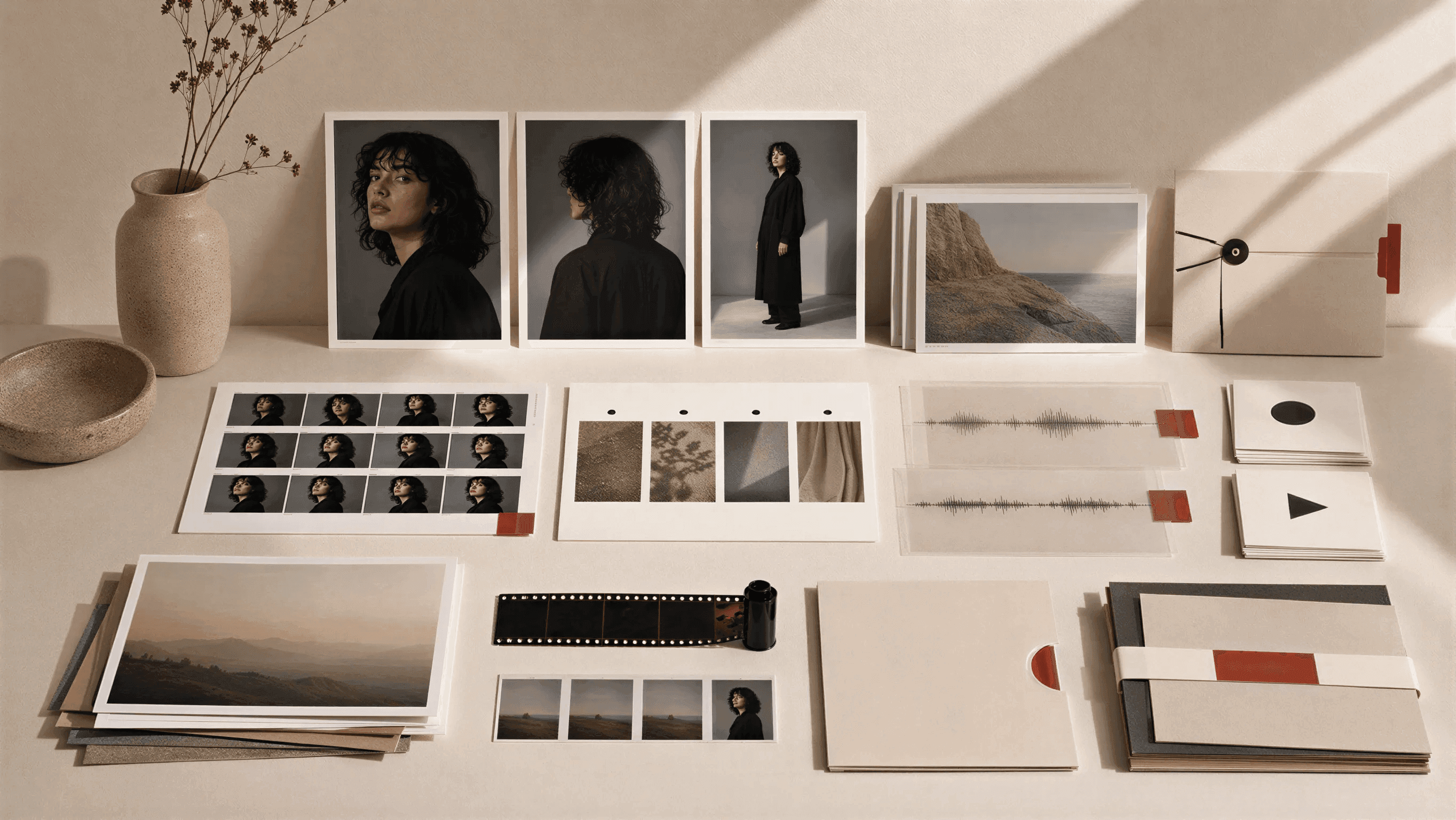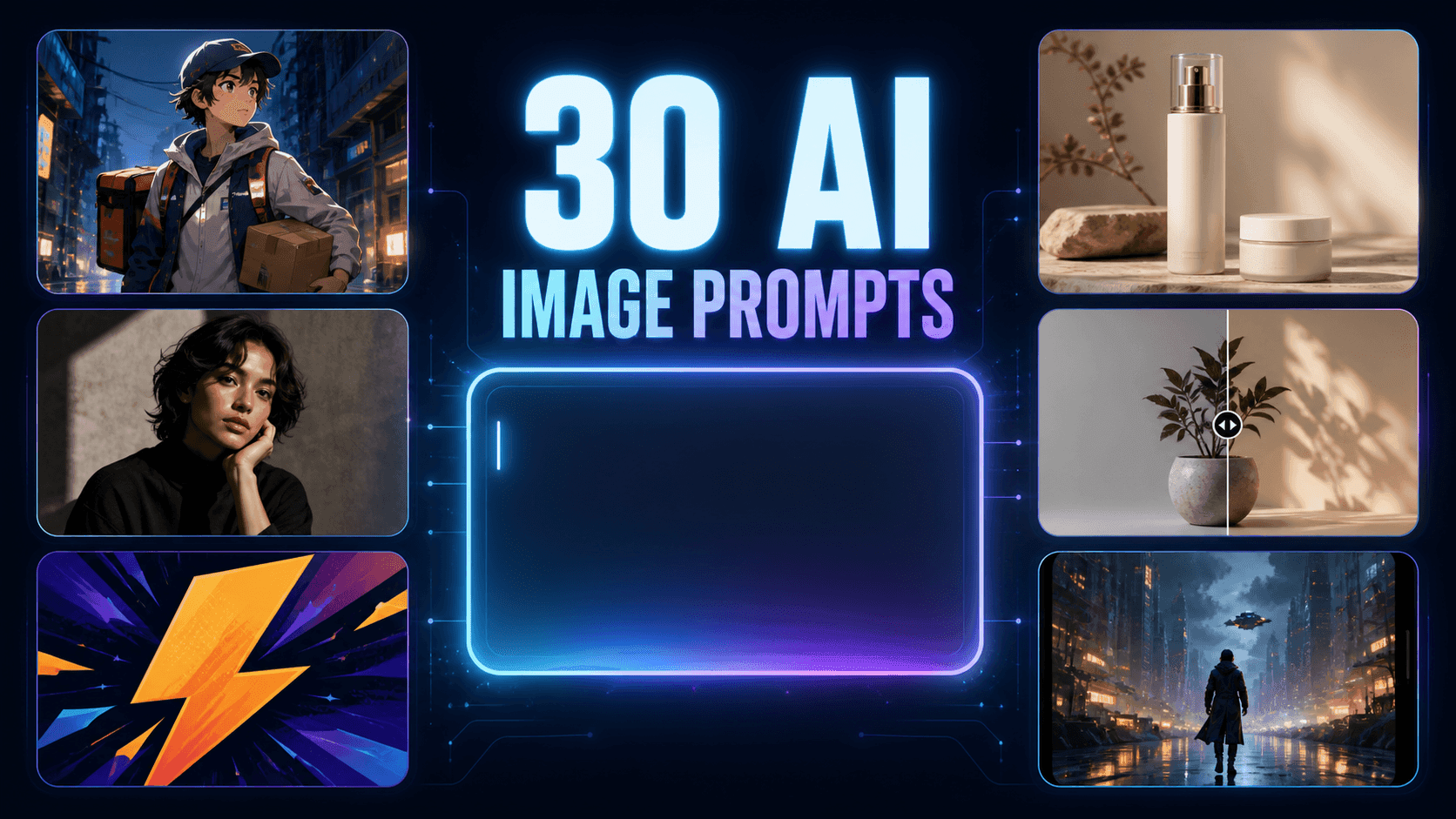
Good AI image prompts name the subject, pose, setting, composition, lighting, style, and constraints. Put fixed details first, then add one coherent visual direction. Generate, review the result, and revise one variable at a time so you can see which change helped.
You do not need a wall of adjectives. You need a clear visual job. These 30 adaptable templates cover characters, products, portraits, thumbnails, edits, and still keyframes.
Each example includes variables to replace, one detail to protect, and a focused fix when the result drifts.
Replace every bracketed field inside a prompt. Leave the surrounding instruction in place for your first attempt.
Test note: The prompts below use GPT Image 2 as the example model.
What Makes a Good AI Image Prompt?
A good prompt moves from the main subject to the details that shape the final frame. This order works as a portable starting point:
Subject + pose or action + setting + composition + lighting + visual style or material + non-negotiable constraints + format or aspect ratio
Put identity, product shape, exact text, and other fixed details before decorative language. Those details matter more than another mood word.
Compare these two prompts:
Vague
A beautiful cinematic anime girl, highly detailed, dramatic, cool lighting.
Directed
Waist-up portrait of an original adult anime courier with a short teal bob, amber eyes, and a crescent pendant. She waits beneath a station clock at blue hour. Centered composition, soft rim light, clean cel shading, navy and amber palette. Keep her hair, eyes, and pendant exact.
The second prompt does not win because it is longer. It wins because you can inspect its decisions. You can check the subject, setting, framing, light, style, and locked traits.
When a result misses, change one part. If the framing is wrong, revise the composition line. Keep every successful detail in place.
Which AI Image Prompt Should You Use?
Start with the deliverable. Then name the detail that would make a wrong result unusable.
| Your goal | Start with | State this constraint first |
|---|---|---|
| Design an anime character | Prompts 1–5 | Face, hair, outfit, and signature accessory |
| Create a product or ad visual | Prompts 6–10 | Product shape, label area, colors, and placement |
| Make a portrait or social post | Prompts 11–15 | Identity, crop, platform ratio, and safe area |
| Generate text or a cutout | Prompts 16–20 | Exact short text, hierarchy, edges, or transparency |
| Edit an existing image | Prompts 21–25 | What changes and what must remain untouched |
| Prepare a still for animation | Prompts 26–30 | Subject clearance, continuity, and the intended frame state |
Where Should You Run These AI Image Prompts?
| Route | Use it when | What you can choose |
|---|---|---|
| DomoAI Text to Image | You want to explore a new image through a visual style category | Popular, Anime, Fusion, and Other categories |
| Multi-Model Image Generator & Editor | You want to generate with a named model or edit an uploaded reference | GPT Image 2, Nano Banana 2, and Nano Banana Pro |
Use DomoAI Text to Image when you want to compare Anime looks or explore another style category. Choose a current Anime model for an anime concept. Then paste the prompt and keep its identity constraints unchanged.
Open the Multi-Model Image Generator & Editor when you want a specific model. Choose GPT Image 2, Nano Banana 2, or Nano Banana Pro. All three can generate a new image from text or edit an uploaded image with plain-language instructions.
The 30 templates below use GPT Image 2 as the example model. This creates one baseline for the article. It does not mean GPT Image 2 will perform best for every prompt.
You can run the same prompt with Nano Banana 2 or Nano Banana Pro. Nano Banana 2 suits faster everyday iterations. Nano Banana Pro suits multi-reference character, style, and product compositions. Keep the prompt, ratio, and reference pack unchanged when you compare them.
For a broader tool decision, compare AI image generators by task. Do not stretch one model check into a final verdict.
How These Prompt Examples Were Chosen
This is a task library, not a ranking. Each prompt has one visual outcome, replaceable bracketed fields, a detail to protect, and a focused recovery move.
The categories reflect common creator deliverables: character art, product scenes, portraits, text assets, edits, and still frames. Unsupported controls, universal quality claims, and commercial-rights advice stay out of the examples.
Anime Character and Reference Sheet Prompts
These prompts put identity details before styling. If a result changes the character, shorten the art direction before adding more description.
1. Original Anime Protagonist Portrait
Best for: An original character portrait or the first identity anchor for later variations.
Prompt:
Create an original anime protagonist in the [age range] age group with [hair color and shape], [eye color], and a [signature accessory]. Use a chest-up three-quarter portrait with a confident neutral expression, clean cel shading, controlled linework, soft directional light, and a simple background. Preserve a clear, repeatable silhouette.
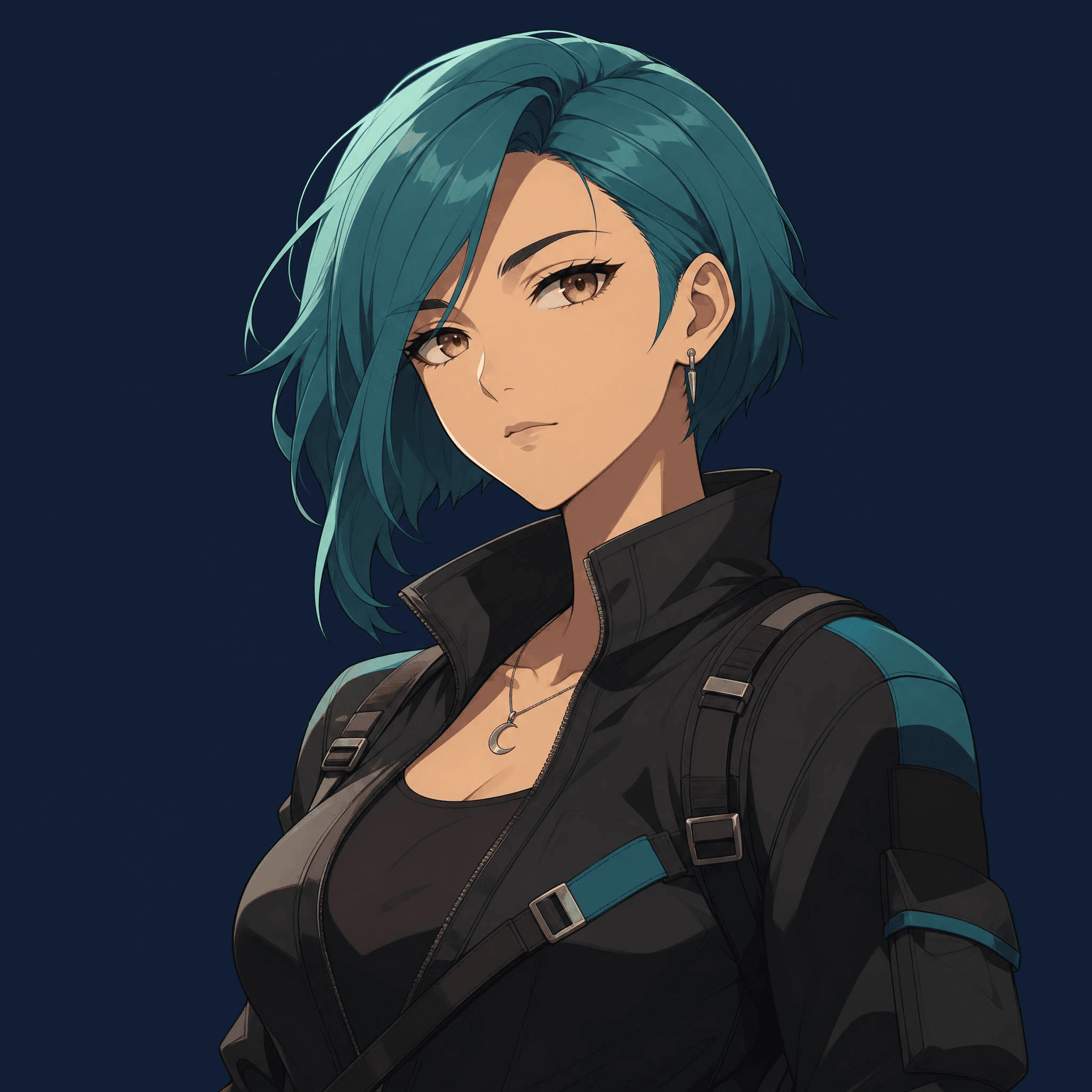
Keep unchanged: Face shape, hairstyle, eye color, and signature accessory.
If the result drifts: Remove secondary style terms. Restate the hair, eyes, and accessory in the first sentence, then regenerate.
2. Multi-View Character Reference Sheet
Best for: Comparing a character's proportions and outfit across several useful views.
Prompt:
Create a clean full-body reference sheet for [character name] using [front, side, and back views]. Show the same [outfit description], body proportions, hairstyle, and [color palette] in every panel. Use neutral standing poses, even studio lighting, a plain white background, aligned scale, clear spacing, and separate figures.
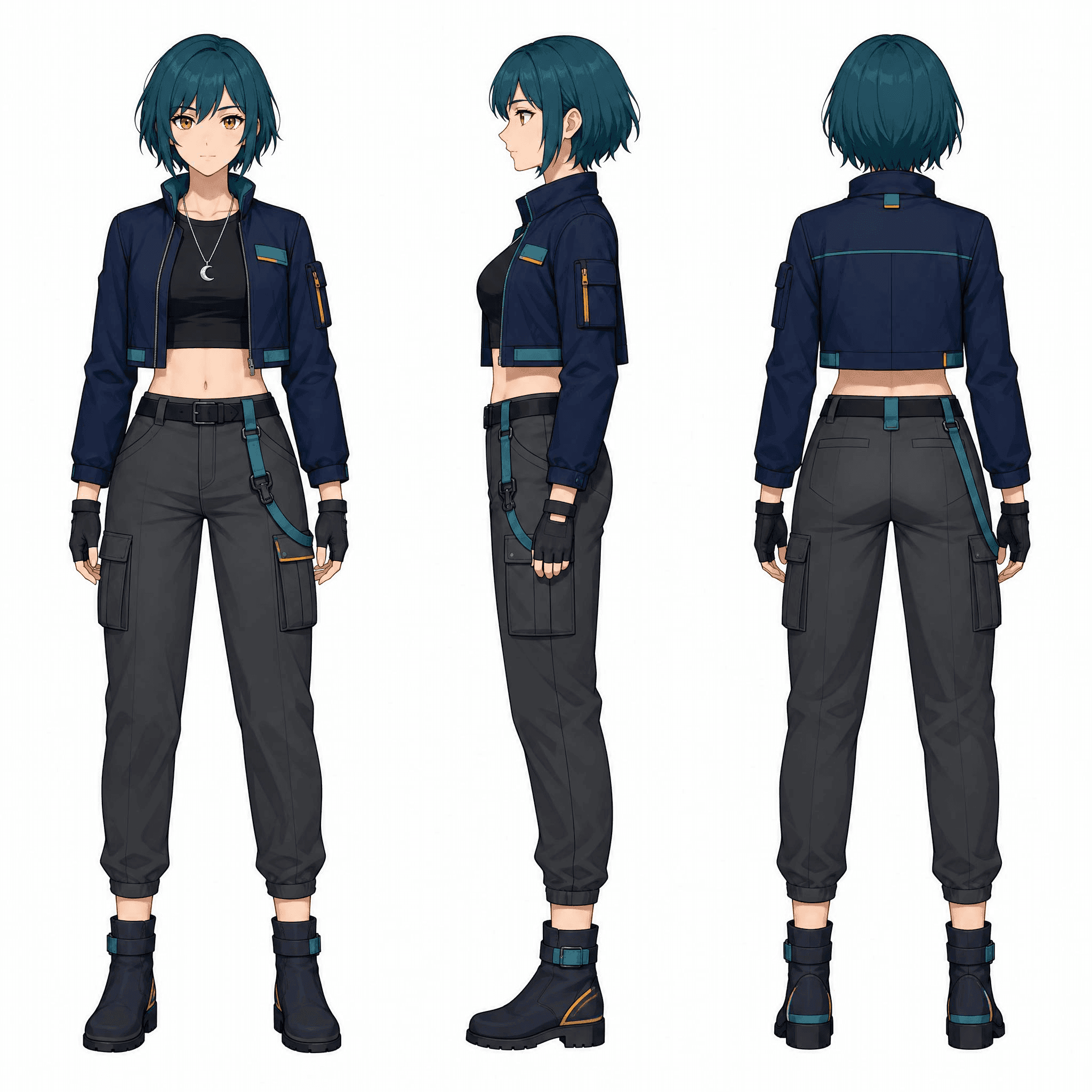
Keep unchanged: Outfit, body proportions, hairstyle, and palette across every panel.
If the result drifts: Reduce the sheet to front and side views. Build the back view separately from the cleanest result.
3. Character Expression Sheet
Best for: Planning a small, defined set of expressions for one recurring character.
Prompt:
Create a six-panel expression sheet for [character name], with [hair and eye description] and [signature accessory]. Show only [list six expressions] as matching head-and-shoulders views. Keep the same camera angle, facial proportions, hairstyle, clothing neckline, background, and cel-shaded line style. Use even spacing and soft neutral lighting.
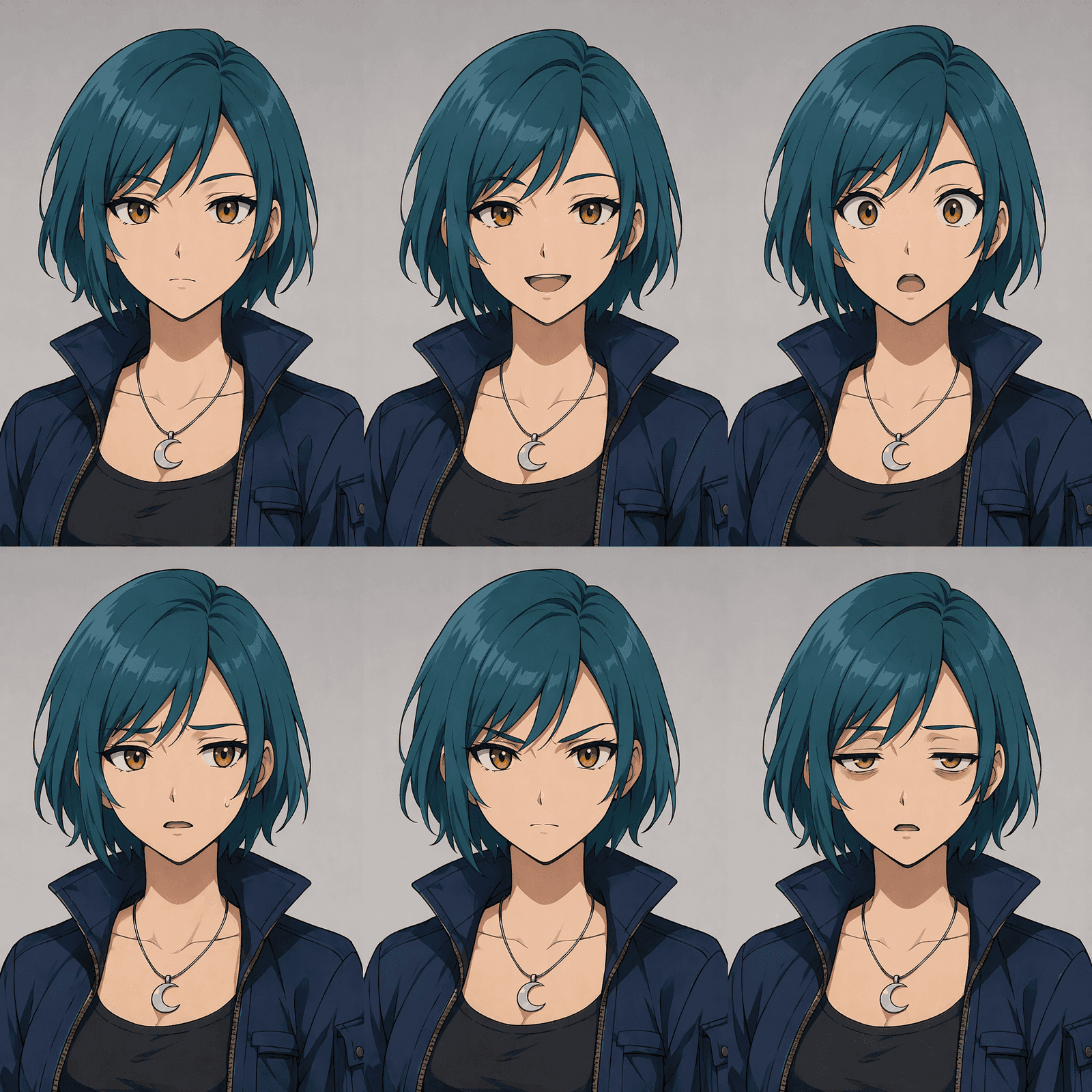
Keep unchanged: Camera angle, facial proportions, hairstyle, neckline, and accessory.
If the result drifts: Name only the required expressions. Repeat “matching head-and-shoulders views” and remove extra layout directions.
4. Outfit Variation With the Same Character
Best for: Changing one costume while preserving the character and composition.
Prompt:
Using [character reference], create the same character in the same full-body pose and camera angle. Change only the outfit to [new outfit], using [fabric and color details]. Keep the face, [hair and eye details], body proportions, expression, hands, background, lighting, and framing unchanged from the reference.
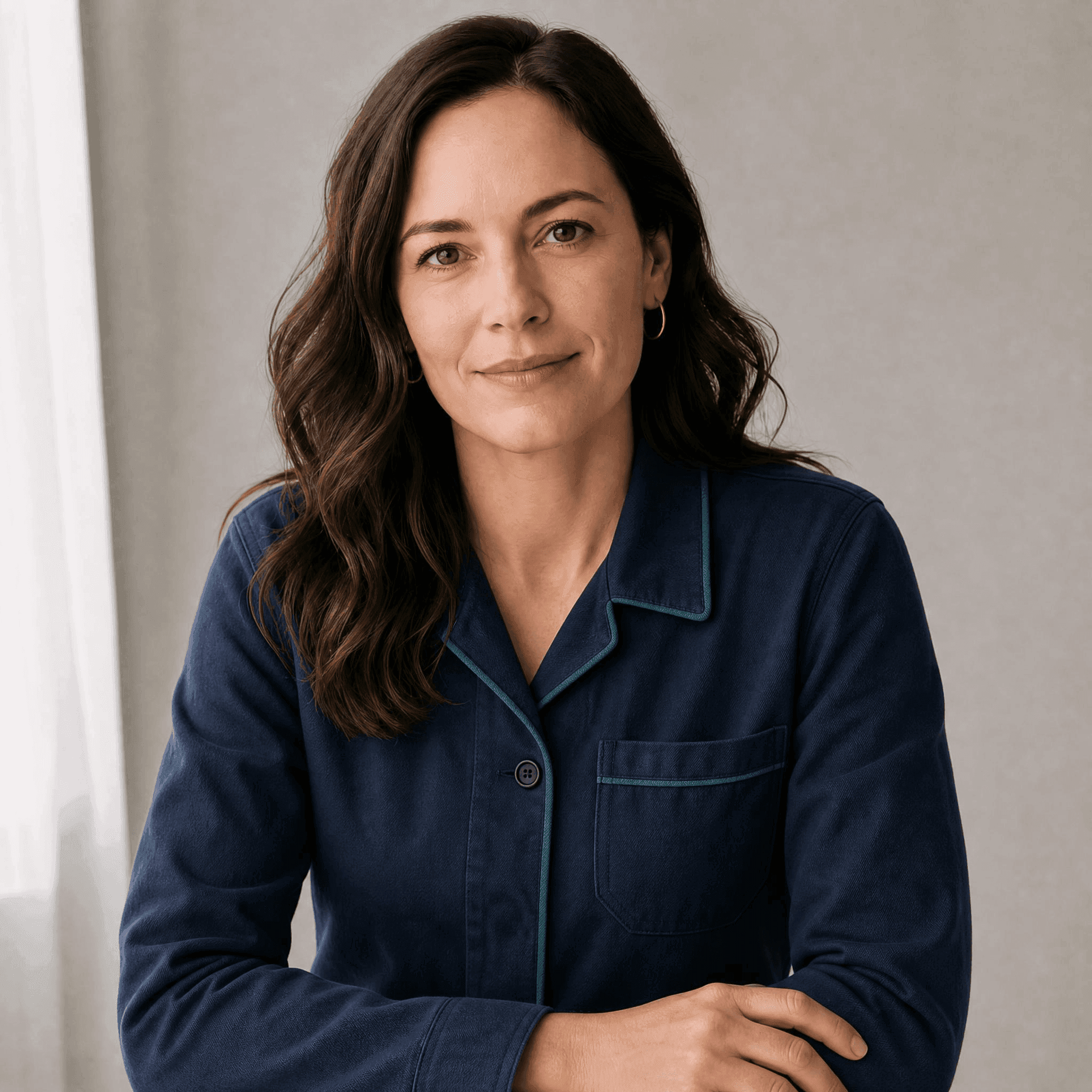
Keep unchanged: Identity, pose, camera angle, expression, hands, background, lighting, and framing.
If the result drifts: Put “change only the outfit” first. Remove extra fashion terms and repeat the locked face, hair, and eye details.
5. Collectible Anime Card Artwork
Best for: A vertical character card with a controlled frame and a short title area.
Prompt:
Create collectible anime card artwork featuring [character] performing [signature action]. Use a vertical border-safe composition with an ornate [motif] frame and layered foreground effects. Use crisp cel shading and a clear short-title area reading “[title].” Keep the character's face and costume readable. Leave breathing room around every edge for final cropping.
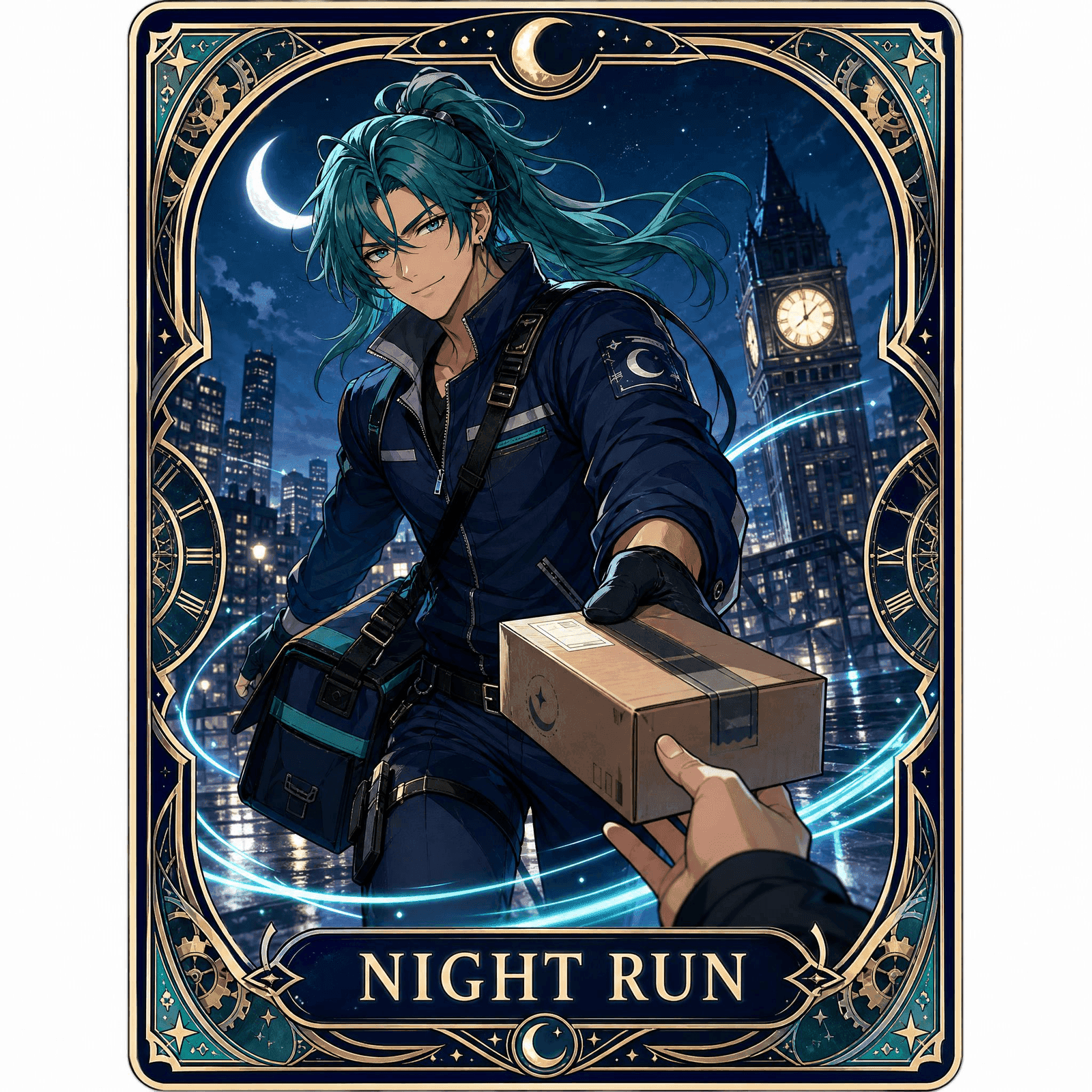
Keep unchanged: Character identity, costume, border-safe composition, and title area.
If the result drifts: Simplify the frame and foreground effects. Shorten the title, then verify every rendered letter before publishing.
Try next: Approve a text-free version first, then build the final card with Anime Card Maker.
Product and Ad Visual Prompts
Start with a clean product reference whenever product geometry matters. Treat every generated label, logo, and package detail as something to review, not assume.
6. Clean Studio Packshot
Best for: A centered ecommerce packshot or a clean source image for later scenes.
Prompt:
Using [product reference], create a clean studio packshot of [product name] on a [surface material], photographed from [camera angle]. Use a plain light-gray backdrop, one broad softbox, controlled shadow, accurate scale, centered framing, and crisp edges. Preserve the package shape, proportions, closure, label position, and brand colors. Do not redesign the product.
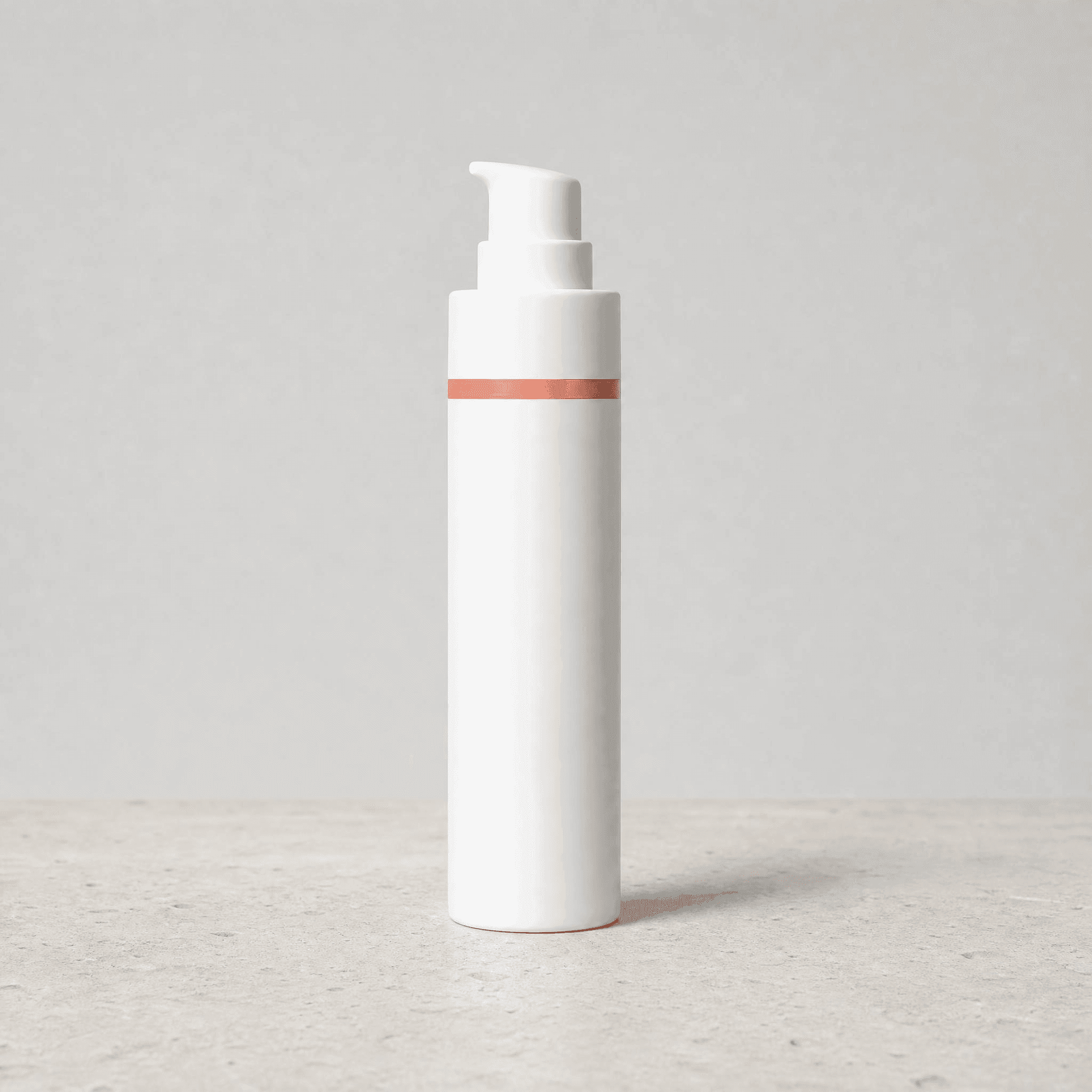
Keep unchanged: Product shape, proportions, closure or handle, label position, and brand colors.
If the result drifts: Use a cleaner product reference and remove props. Repeat “do not redesign the product” directly after the reference instruction.
7. Lifestyle Product Scene
Best for: Showing a product in use without turning the scene into visual clutter.
Prompt:
Place [product reference] in a bright [lifestyle setting], positioned at [placement and scale]. Build the scene around one supporting action, natural materials, soft daylight from one direction, and restrained props. Preserve the product silhouette, closure, label placement, and [brand colors]. Keep the product as the clear focal point.
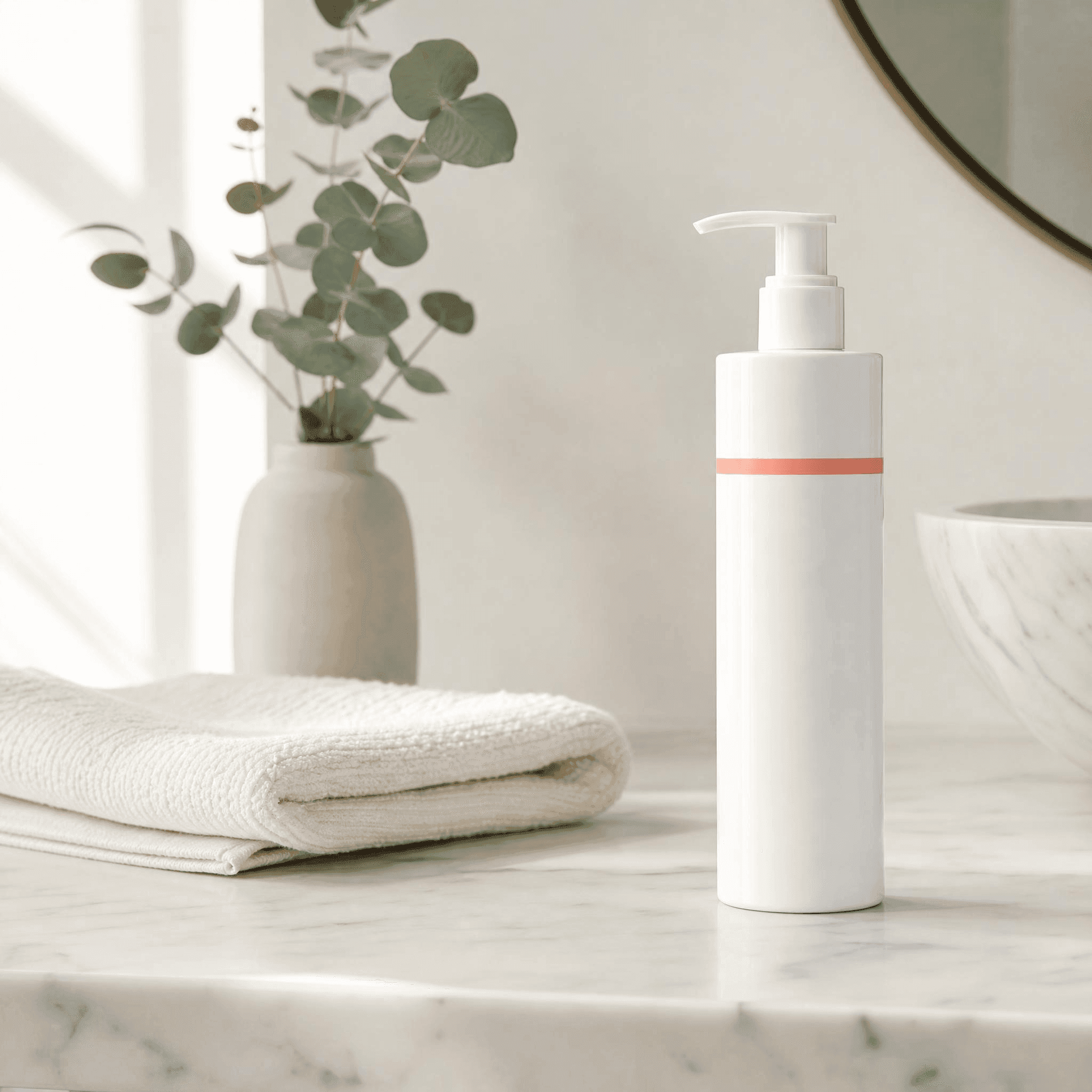
Keep unchanged: Product geometry, closure, label placement, colors, and intended scale.
If the result drifts: Reduce the scene to one prop and one action. State the product's placement and scale before describing the setting.
8. Ad Hero With Copy-Safe Space
Best for: An ad visual where you will add a headline or CTA after generation.
Prompt:
Create an ad hero for [product reference], placing the product on the [left or right side] against a [background style]. Reserve the opposite third as clean copy-safe space with low detail and even tone. Use [lighting direction], crisp product edges, grounded shadow, and balanced visual weight. Preserve all product geometry and colors.
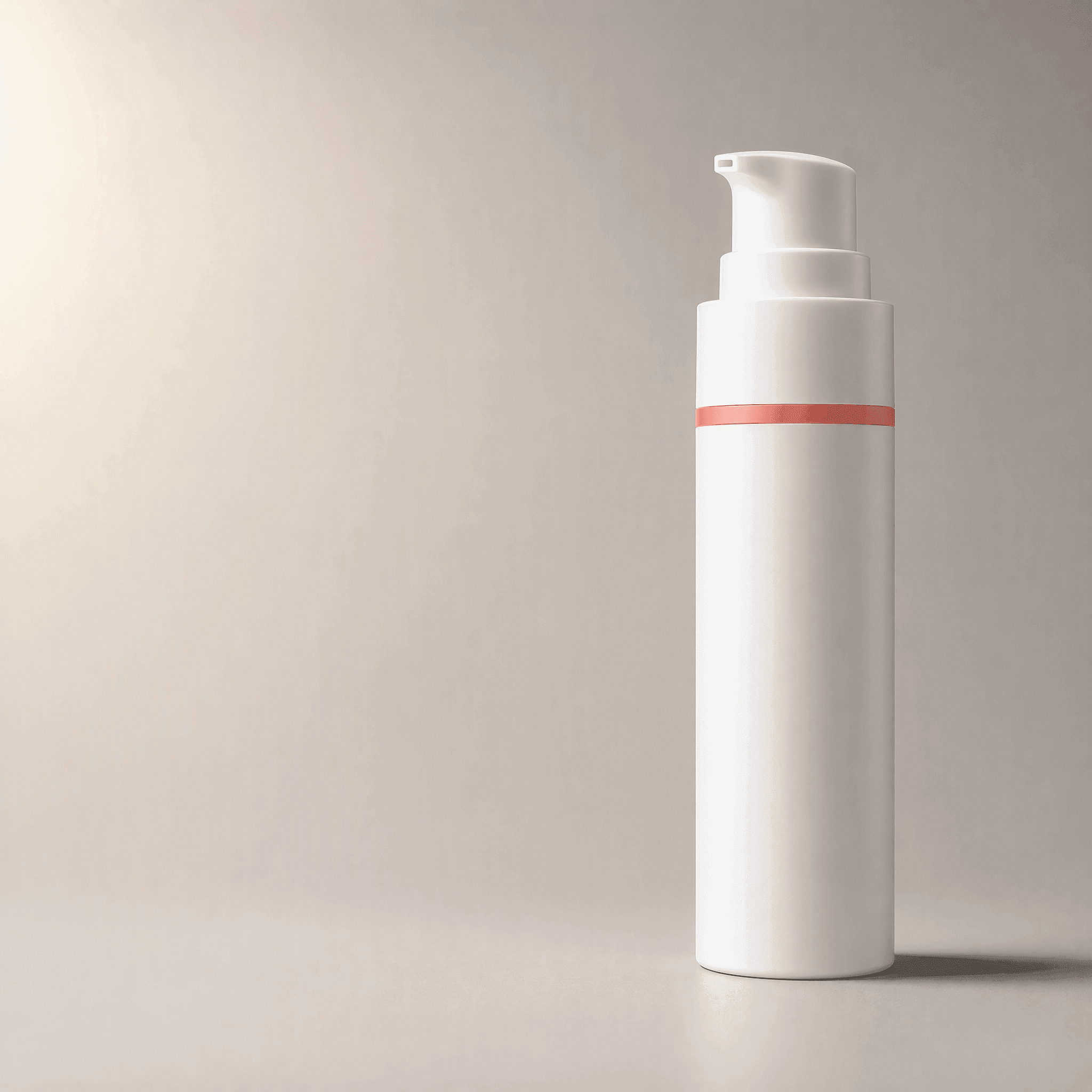
Keep unchanged: Product identity, geometry, colors, and the reserved empty third.
If the result drifts: State “product left, empty right,” or the reverse. Remove secondary background details and shorten the lighting instruction.
9. Seasonal Campaign Visual
Best for: Adding a seasonal mood without redesigning the package.
Prompt:
Create a [season or holiday] campaign image for [product reference] in a refined studio scene. Express the season through [background elements] and [two supporting props] only. Use a restrained palette, directional light, and clean depth. Preserve the product package, label placement, proportions, colors, and closure without adding seasonal graphics to it.
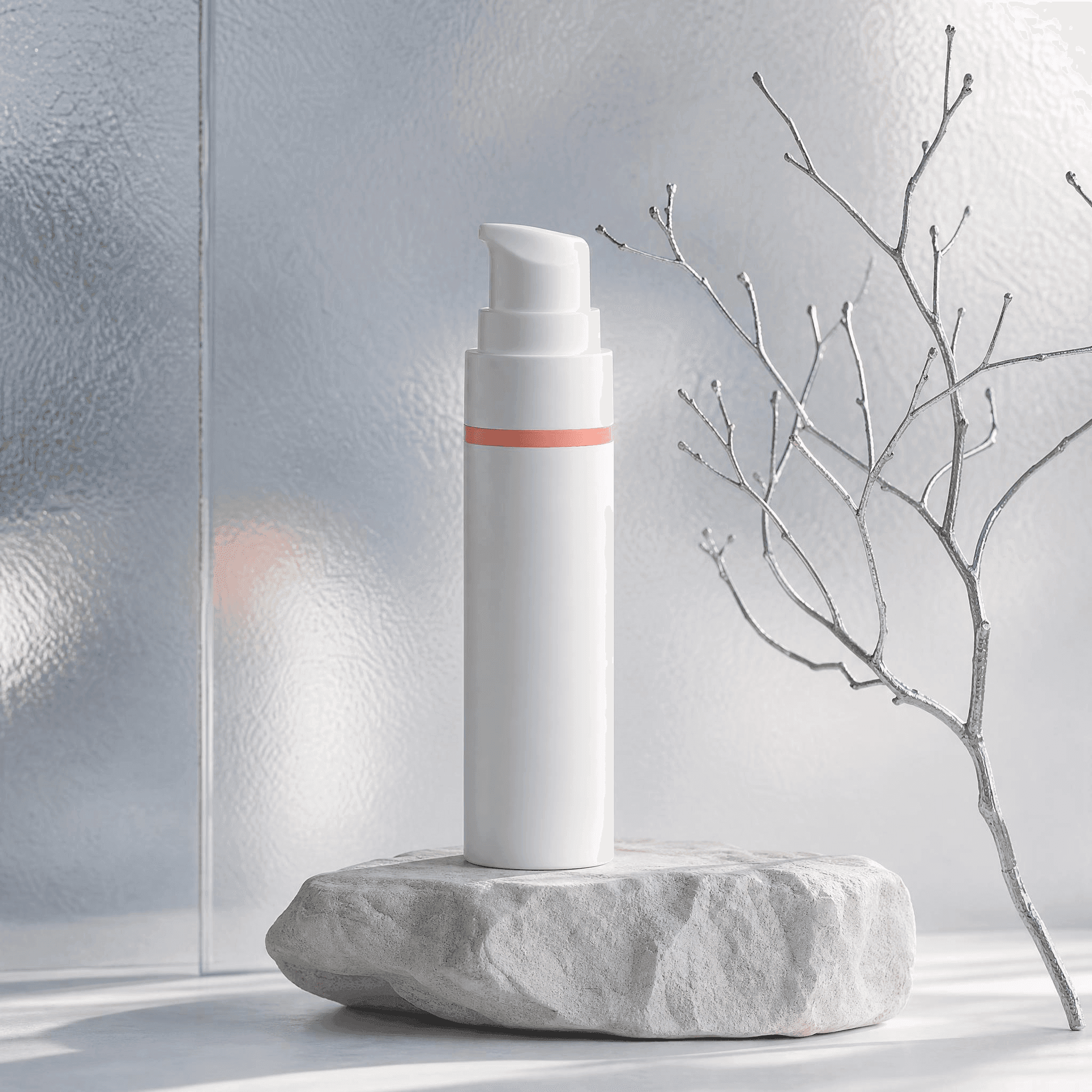
Keep unchanged: Package geometry, label placement, colors, proportions, and closure.
If the result drifts: Move every seasonal cue into the background or props. Remove any instruction that decorates the package itself.
10. Product-on-Background Composite
Best for: Placing an approved product image into a described or supplied campaign background.
Prompt:
Composite [product reference] into a [described background scene or supplied background reference] on one [surface type], viewed from [camera angle]. Match the background's light direction, shadow softness, color temperature, and perspective. Create realistic edge contact without changing the product silhouette, label position, material boundaries, colors, or proportions. Keep one focal plane.
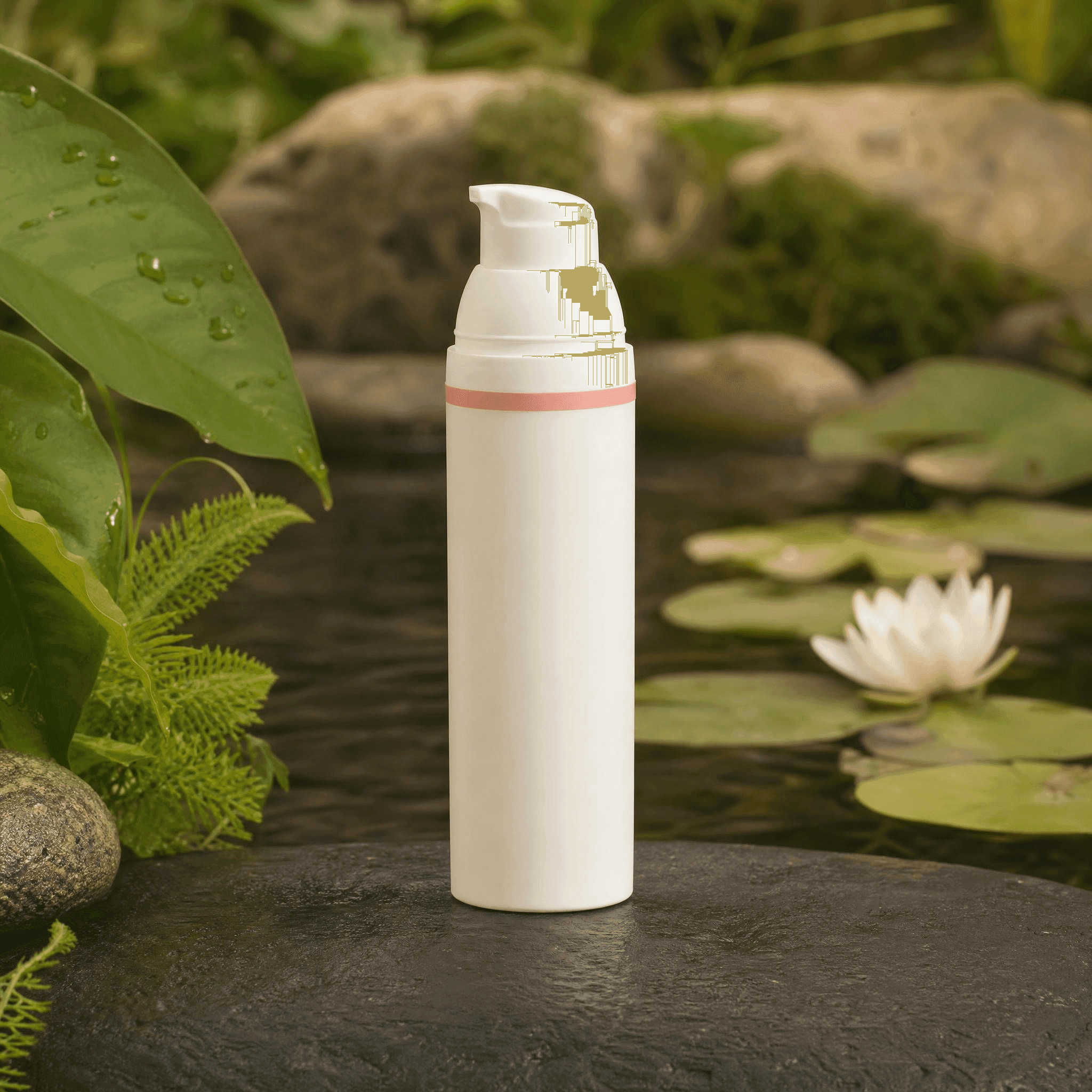
Keep unchanged: Product silhouette, label position, material boundaries, colors, and proportions.
If the result drifts: Match the camera angle and lighting direction first. Request one surface and simplify reflections before adding props.
Try next: Approve this still before moving into a product animation workflow. For that downstream problem, see how to keep the product stable when it moves.
Portrait and Social Post Prompts
Use a reference image when recognizability matters. Keep framing and identity instructions separate from mood so you can diagnose a miss quickly.
11. Editorial Portrait
Best for: A magazine-style portrait with controlled framing and a restrained visual direction.
Prompt:
Using [portrait reference], create an editorial portrait that keeps the person within [age range] and retains [wardrobe cue]. Frame a [close-up or waist-up] composition from one clear camera perspective. Use soft side lighting, a muted textured backdrop, natural skin detail, restrained color grading, and a calm expression. Preserve recognizable facial structure.
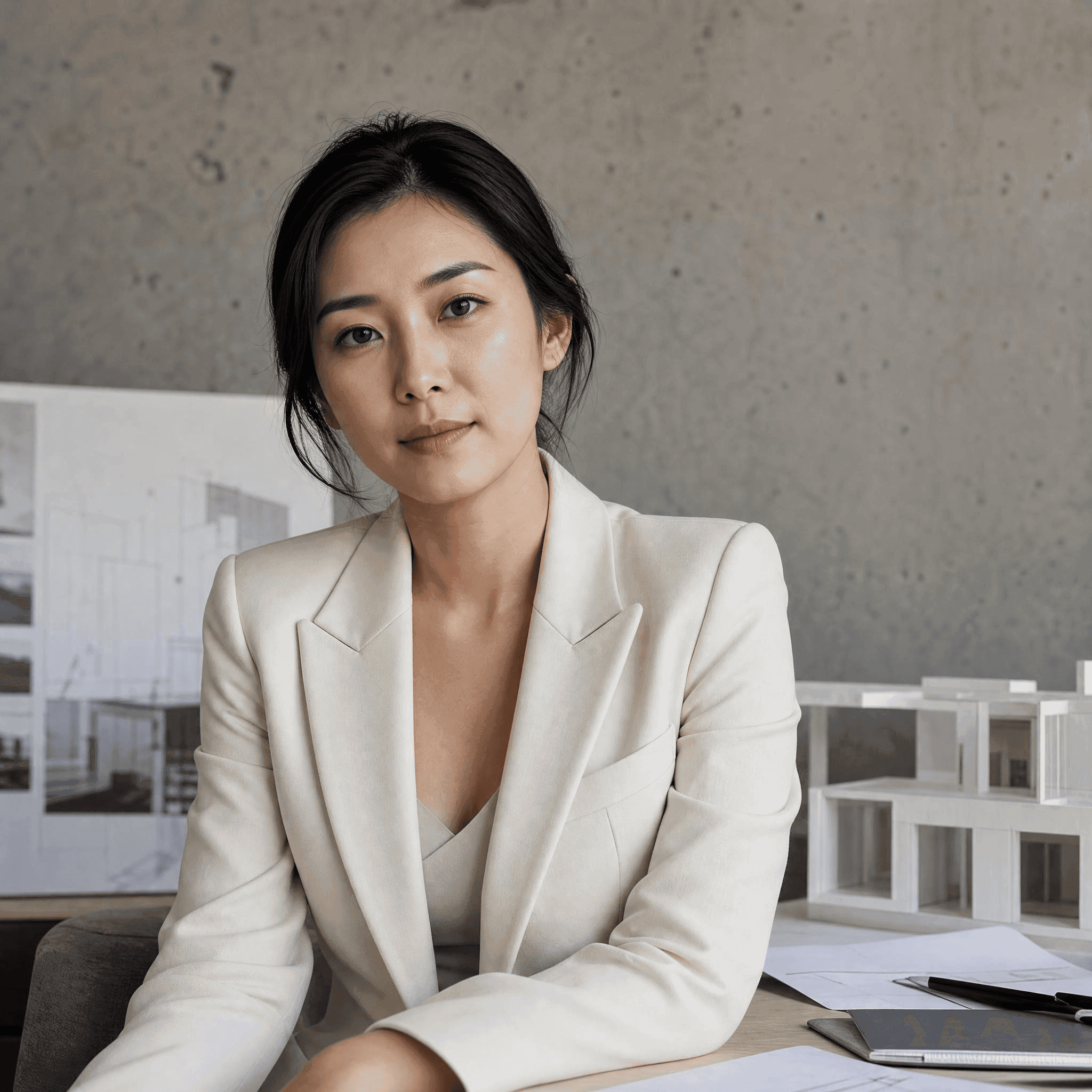
Keep unchanged: Recognizable facial structure, apparent age range, wardrobe cue, and selected framing.
If the result drifts: Remove conflicting lens or style terms. State the framing first, then repeat the identity and age requirements.
12. Professional Profile Image
Best for: A profile photo for a team page, portfolio, or professional social account.
Prompt:
Using [portrait reference], create a professional head-and-shoulders profile image for [role or industry]. Keep a neutral, approachable expression and direct eye line. Use a clean [background color] backdrop, simple [wardrobe], soft frontal lighting, realistic skin texture, centered framing, and comfortable space above the head. Preserve recognizability and natural proportions.

Keep unchanged: Facial recognizability, natural proportions, head-and-shoulders crop, and clean background.
If the result drifts: Remove role-specific props. Request a neutral expression, plain background, and simple frontal light in separate sentences.
13. Beauty Close-Up
Best for: A close portrait that keeps skin texture and one makeup detail visible.
Prompt:
Using [portrait reference], create a beauty close-up focused on [makeup detail]. Use [lighting style], shallow depth of field, natural skin texture, visible pores, balanced color, and minimal retouching. Keep the facial structure, [eye color], lip shape, age cues, and camera angle unchanged. Frame both eyes and the full mouth clearly.
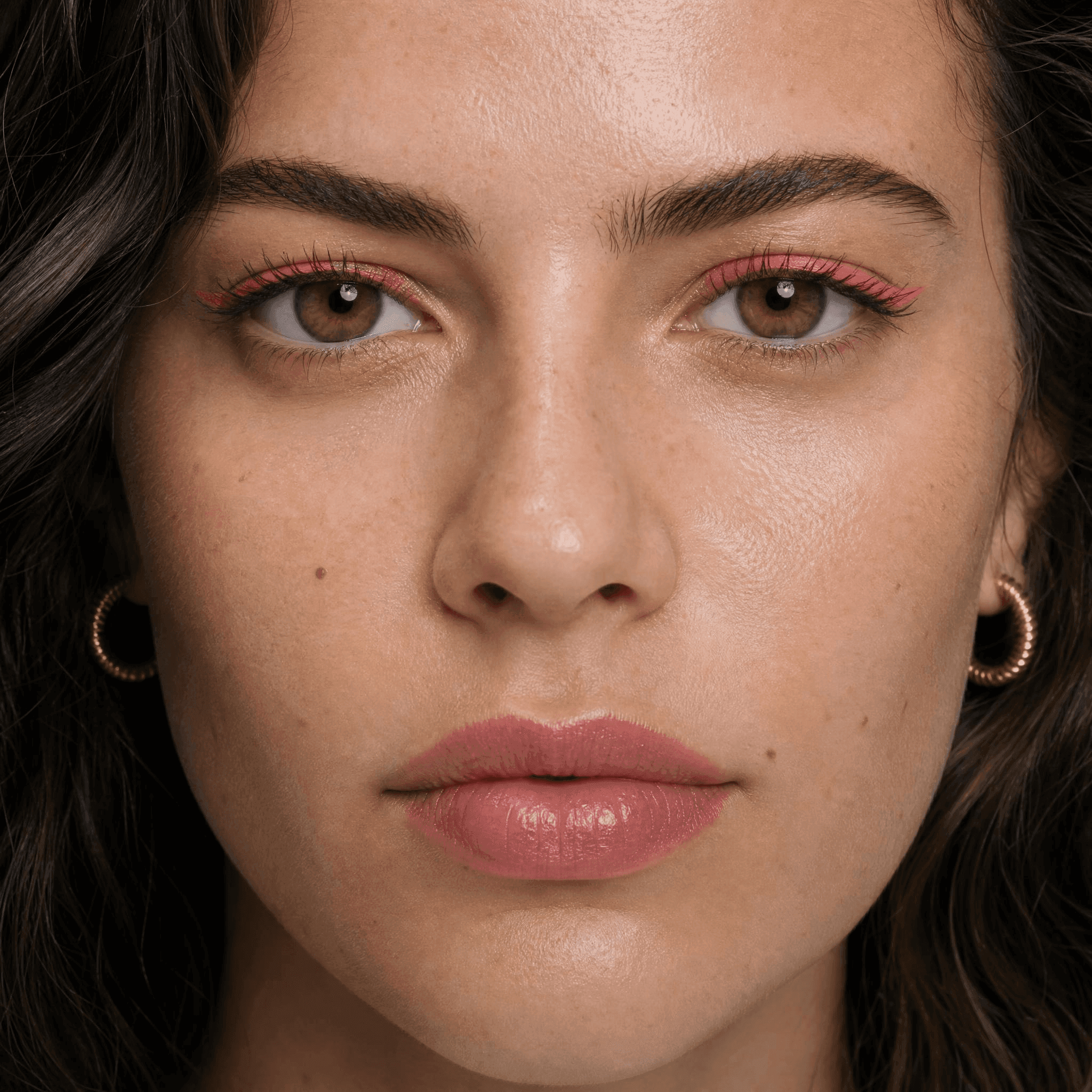
Keep unchanged: Facial structure, eye color, lip shape, age cues, and camera angle.
If the result drifts: Remove polished-skin adjectives. Restate “natural skin texture and visible pores,” then keep only one makeup focus.
14. Faceless Creator Mascot
Best for: A recurring visual identity for a creator who does not want to use a portrait.
Prompt:
Create a recurring faceless creator mascot: a [character type] with a [silhouette trait], [three-color palette], and [signature accessory]. Show a clean three-quarter pose against a simple geometric background, using flat editorial illustration, clear shape separation, and one light direction. Keep the face abstract and the three signature traits easy to recognize.
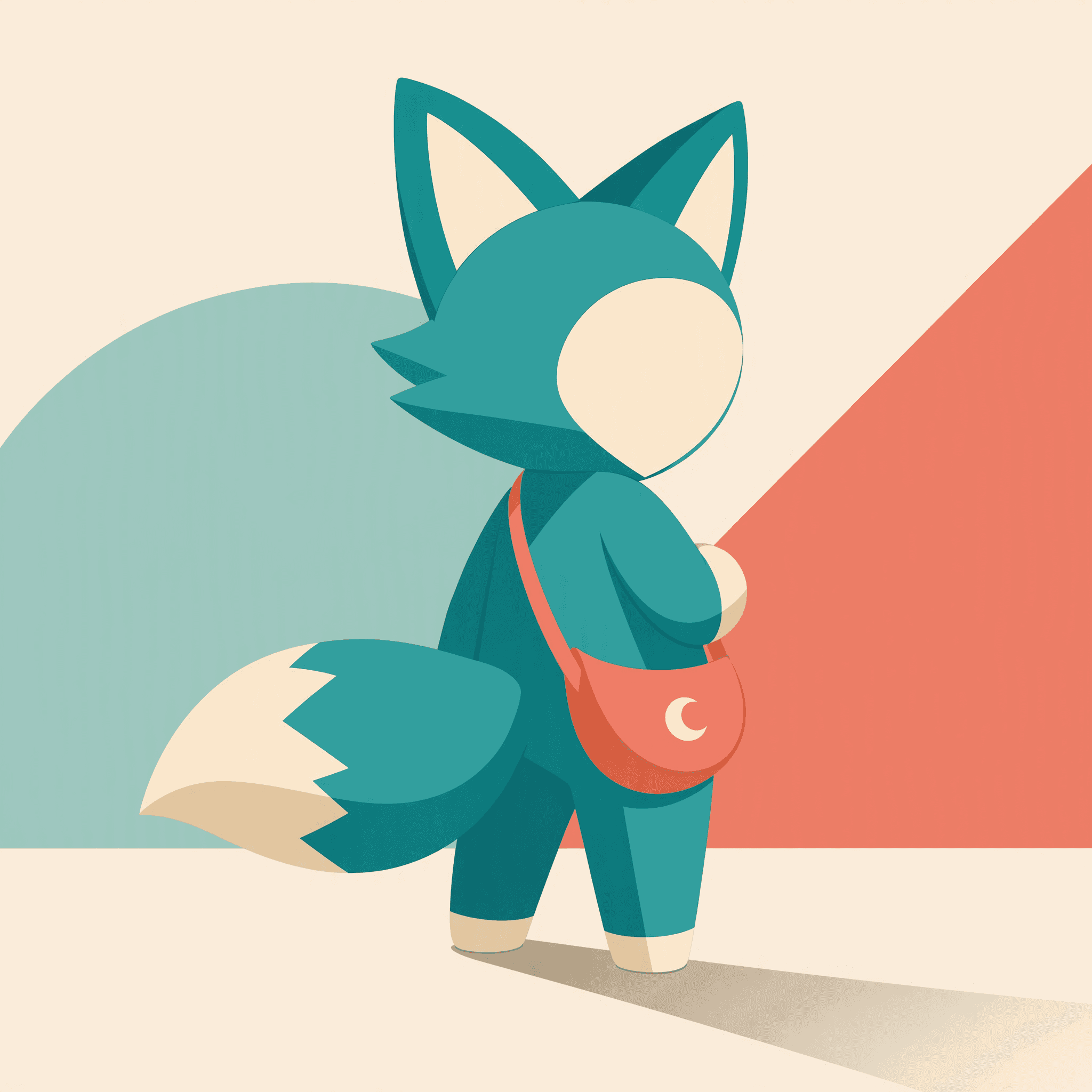
Keep unchanged: Silhouette, three-color palette, signature accessory, and abstract face treatment.
If the result drifts: Start the prompt with the three signature traits. Remove the background geometry and request one pose only.
15. Vertical Social Cover
Best for: A 9:16 cover that leaves room for platform interface elements.
Prompt:
Create a 9:16 social cover featuring [subject] on the [left or right third], with [visual hook] near the upper center. Reserve the top and bottom interface zones as low-detail safe areas. Use [color palette], strong silhouette separation, directional light, and one supporting background element. Keep the main subject clear at phone size.
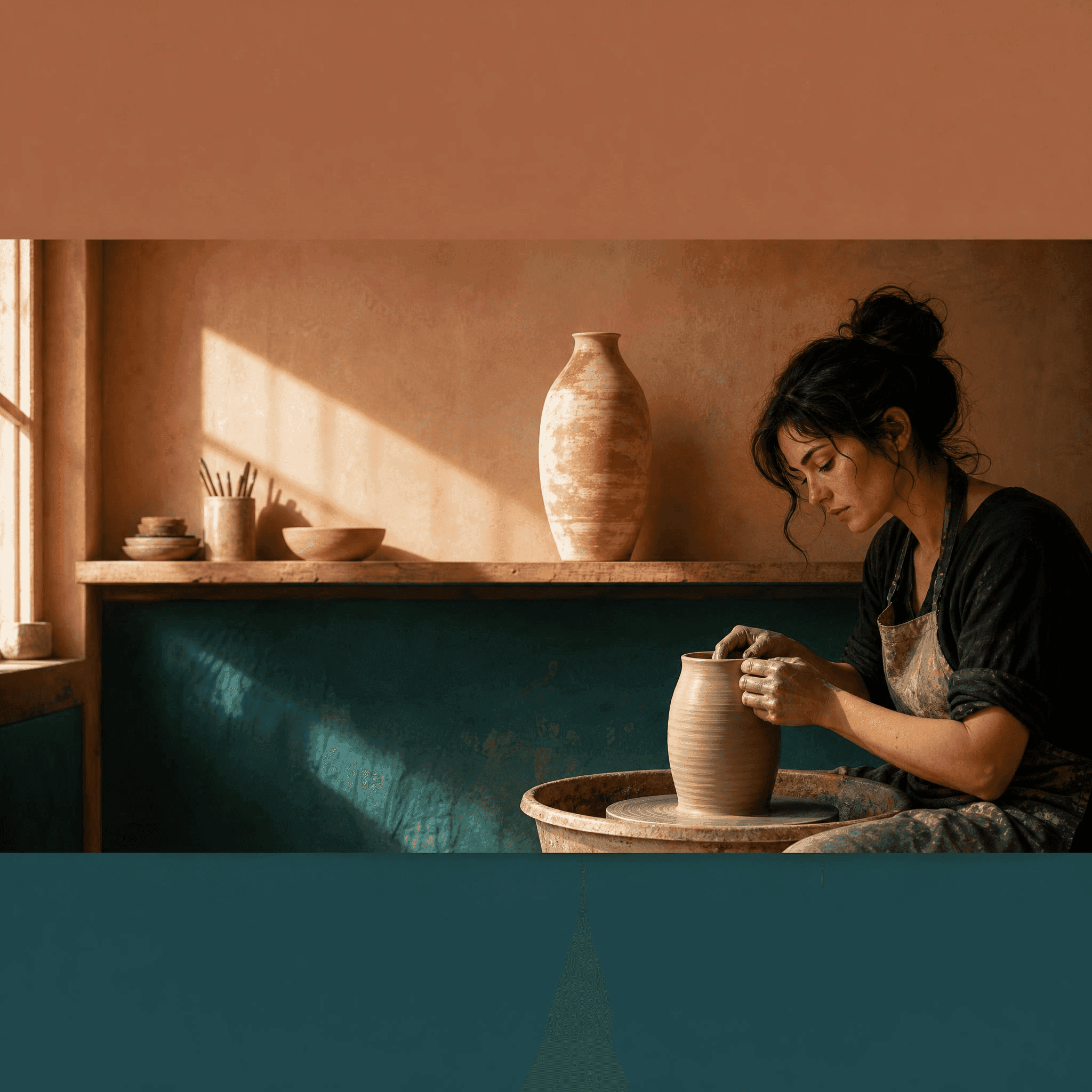
Keep unchanged: The 9:16 composition, subject position, safe areas, and main silhouette.
If the result drifts: Move the subject toward the middle third. Remove secondary action and repeat that both interface zones need low detail.
Text, Thumbnail, and Transparent Asset Prompts
Keep requested text short. Quote it exactly and state where it belongs. Even a text-focused model can miss a letter, so inspect the final image.
16. YouTube Thumbnail With a Short Headline
Best for: A 16:9 thumbnail that needs one clear subject and a short, readable hook.
Prompt:
Create a bold 16:9 YouTube thumbnail about [topic]. Place [person or product] on the [left/right], occupying roughly forty percent of the frame, with a clear expressive focal point. Add the exact headline “[short headline]” on the opposite side in one high-contrast type treatment. Keep generous margins and an uncluttered background.

Keep unchanged: The quoted headline, chosen focal subject, and left-right hierarchy.
If the result drifts: Cut the headline to three or four words. Repeat its exact side, then verify every letter at full size.
17. Event Poster With a Clear Hierarchy
Best for: An event poster with an essential title and date that must remain easy to scan.
Prompt:
Design a [format] event poster with the exact title “[event title]”. Add the date “[date]”. Build a clear three-level hierarchy: title first, date second, supporting image third. Use [visual theme], strong contrast, and enough quiet space around each text block. Keep the layout legible at thumbnail size.
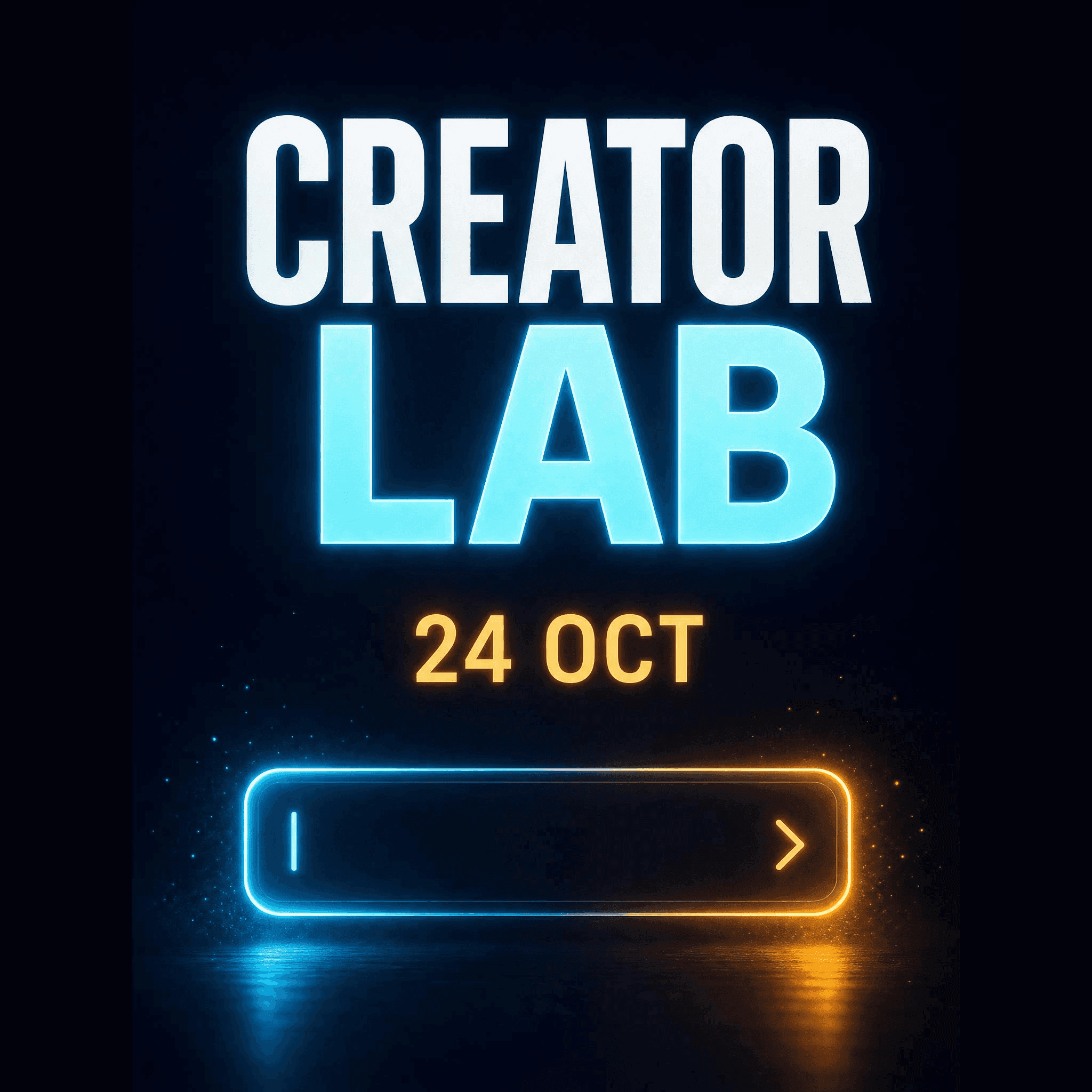
Keep unchanged: The quoted event title, date, and title-first hierarchy.
If the result drifts: Remove secondary copy. Request only the quoted title and date, then check both character by character.
18. Social Quote Card or Ad Line
Best for: A square post built around one short quote, campaign line, or callout.
Prompt:
Create a square social graphic built around the exact phrase “[short phrase]”. Set the phrase in one [type style] treatment with strong contrast against a [background color] field. Add a restrained [accent element] that supports the message without touching the letters. Leave even margins on all sides and keep the composition calm and readable.
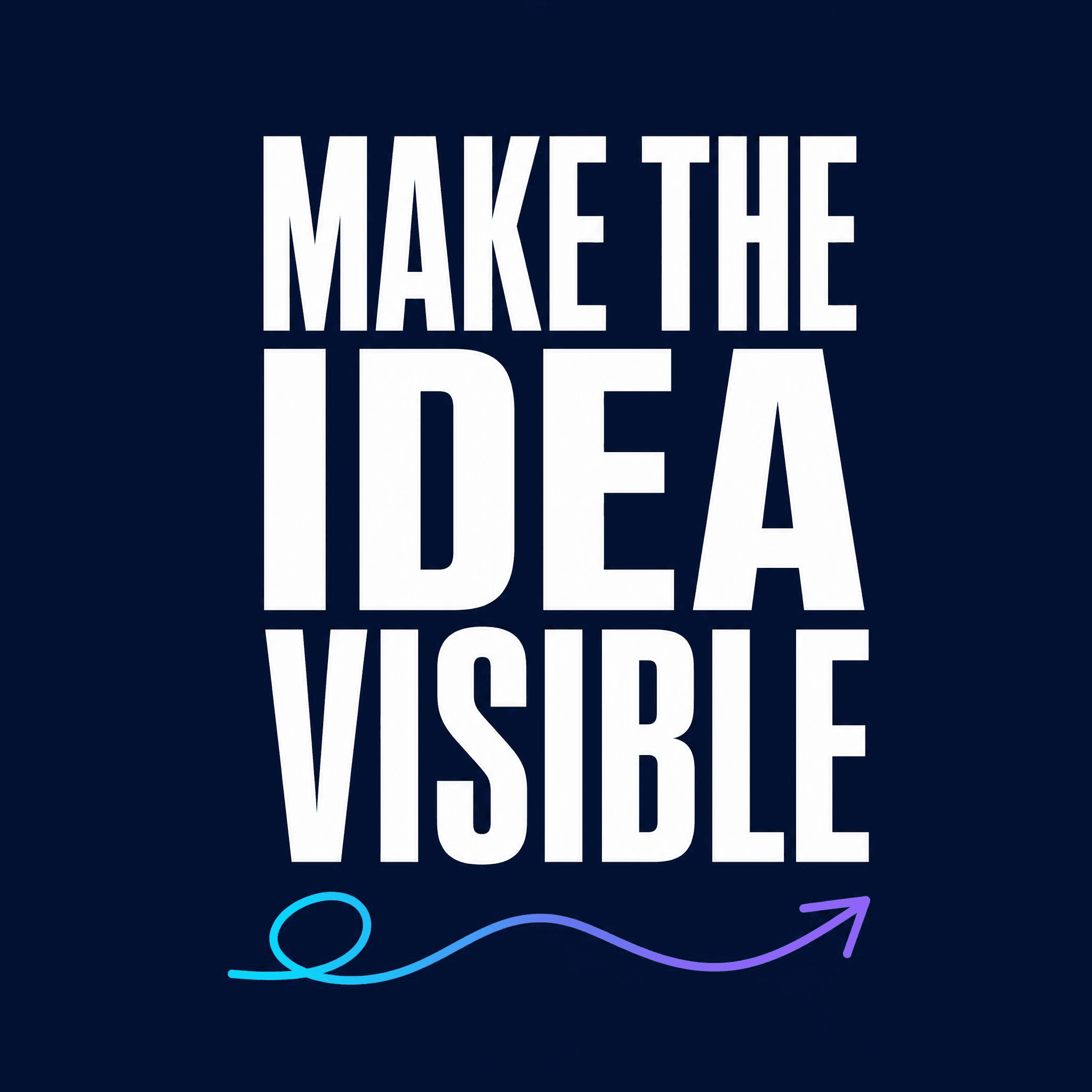
Keep unchanged: The quoted phrase, its contrast, and the empty margins around it.
If the result drifts: Shorten the phrase, remove decorative lettering, and repeat the required wording in quotation marks.
19. Transparent Product Cutout
Best for: An isolated product asset for catalogs, layouts, or later background composition.
Prompt:
Create a clean cutout of one [product] centered in frame, shown from a [view angle]. Keep accurate proportions, intact edges, and the complete object visible. Preserve [defining feature] and [material finish]. Place nothing behind or beneath it. Use a transparent background with comfortable padding around the entire silhouette.
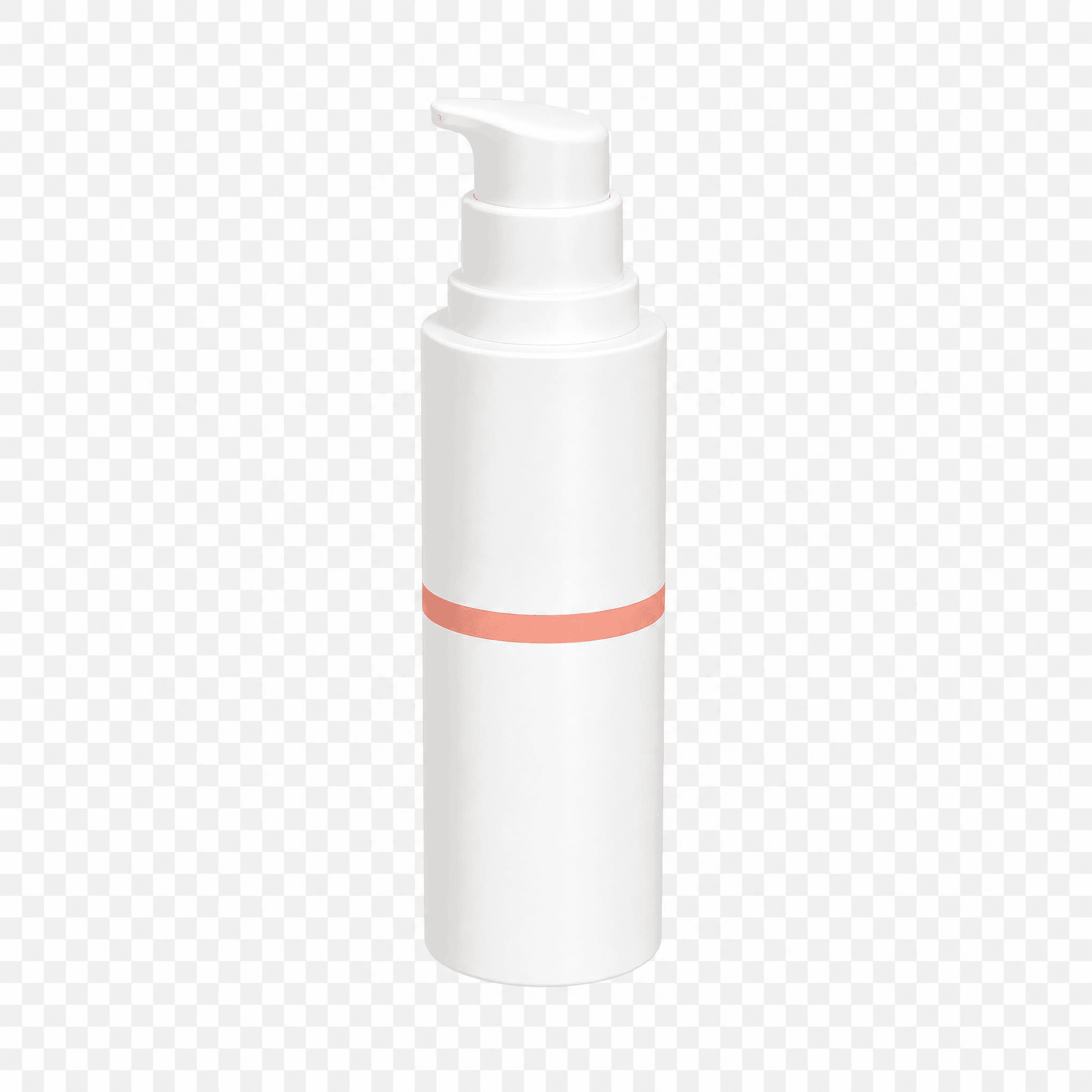
Keep unchanged: The product shape, edge contour, defining feature, and material finish.
If the result drifts: Remove every scene, surface, and environment term. Ask for one centered, isolated object with the complete silhouette visible.
20. Transparent Mascot or Sticker Asset
Best for: A reusable full-body mascot, reaction sticker, or overlay asset.
Prompt:
Create a full-body sticker asset of [mascot] in a [pose], using the locked palette [colors] and keeping [signature accessory] clearly visible. Show the entire silhouette from head to feet, including hands and accessories. Add a simple clean outline, leave wide padding around every edge, and place the character on a transparent background.
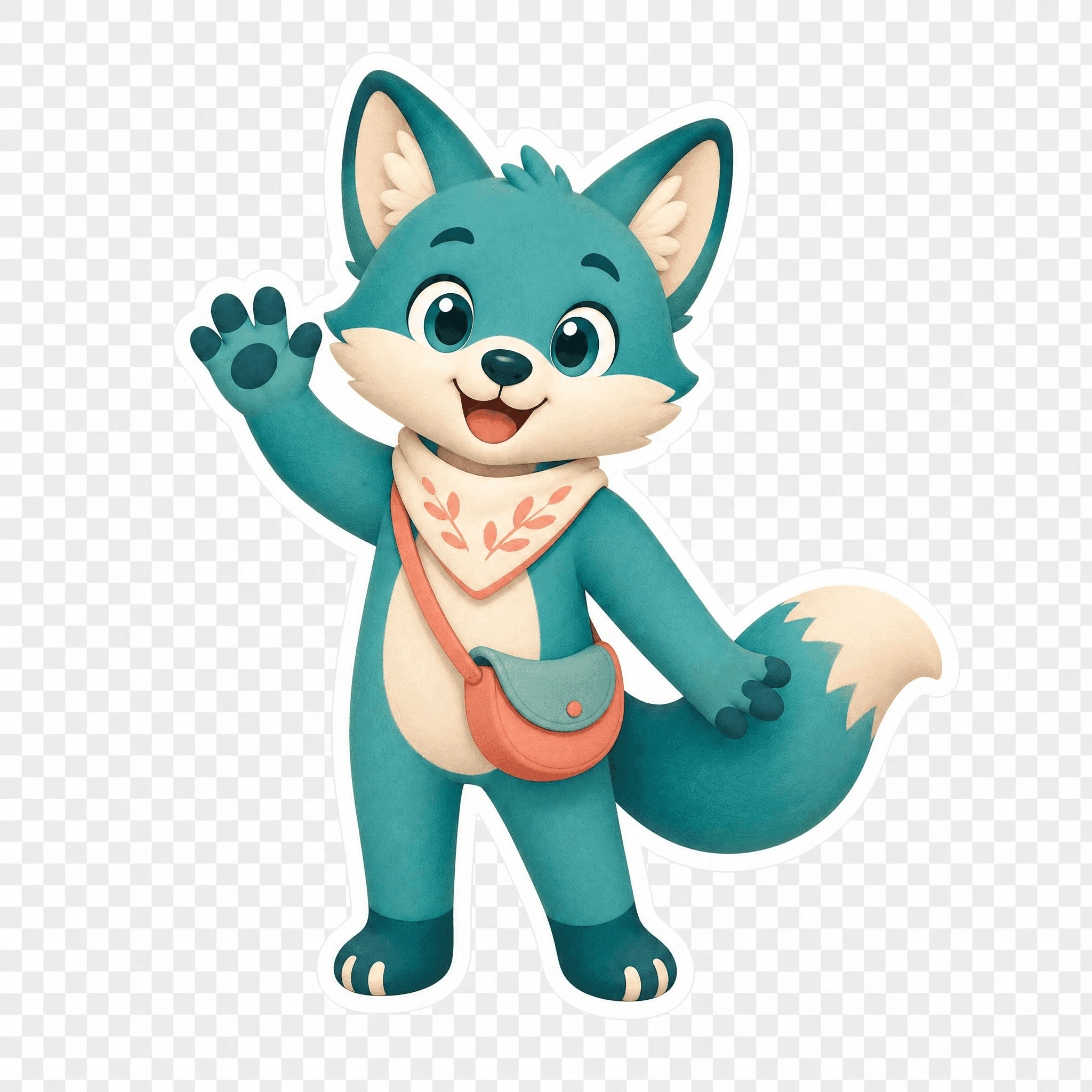
Keep unchanged: The mascot's full silhouette, palette, and signature accessory.
If the result drifts: Pull the framing back, simplify the pose, and state that no limb, accessory, or outline may be cropped.
Image Editing Prompts for Fixes and Variations
An editing prompt needs two lists: what changes and what stays fixed. Upload the source in the Multi-Model Image Generator & Editor. Select GPT Image 2 for this article's example run. You can repeat the same edit with Nano Banana 2 or Nano Banana Pro.
21. Replace the Background Only
Best for: Moving an existing subject or product into a new setting without redesigning it.
Prompt:
Change only the background of the supplied image to [replacement scene]. Keep [subject or product] exactly where it is, with the same pose, scale, proportions, camera angle, foreground edges, and visible details. Match the new environment's [lighting direction] and [surface type] to the existing subject. Do not redesign or retouch the subject.
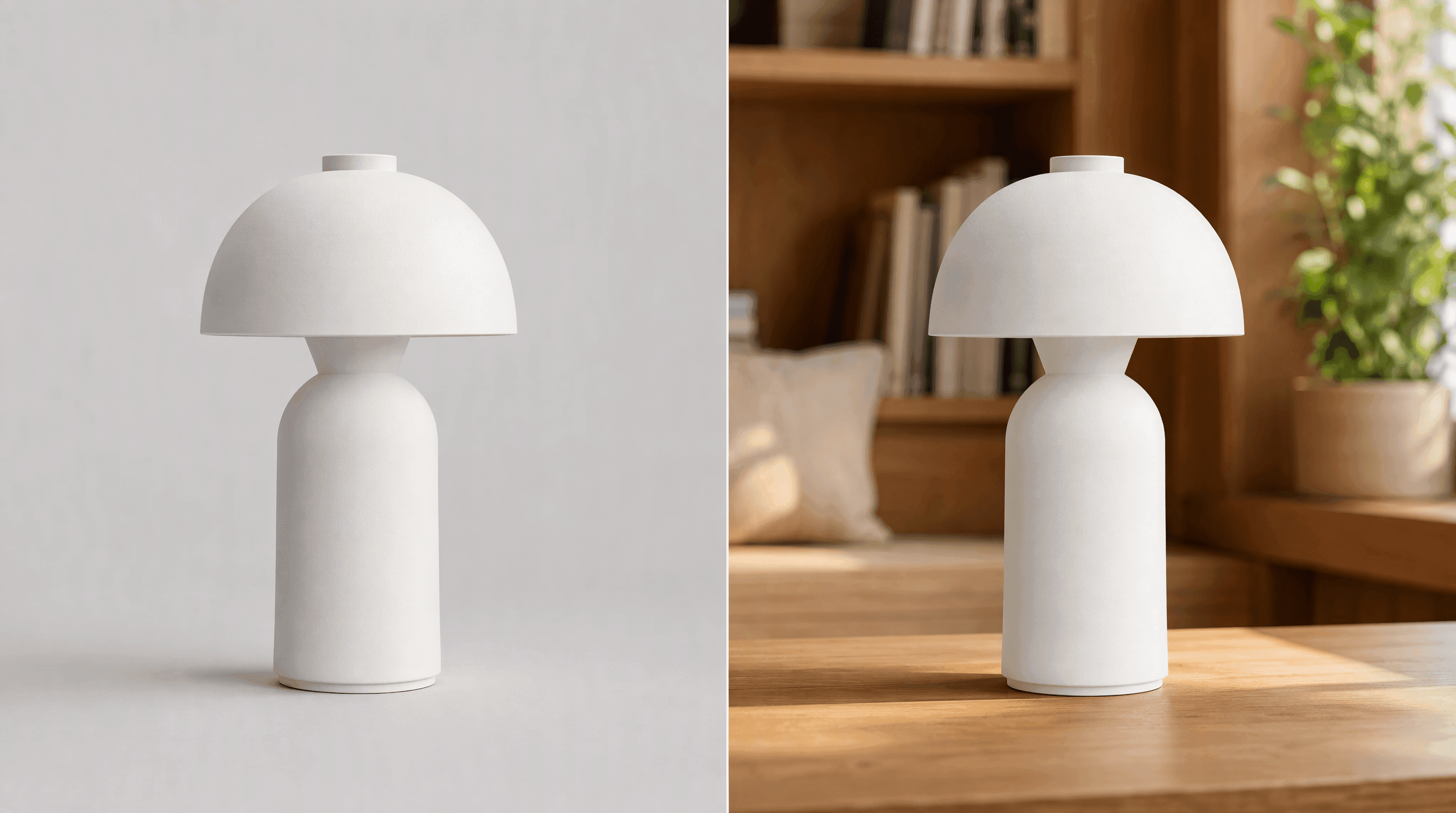
Keep unchanged: The subject or product, pose, scale, proportions, and foreground edges.
If the result drifts: Put “change only the background” first. Describe one replacement scene and remove any instruction that could restyle the subject.
22. Change One Garment or Color
Best for: Testing a wardrobe or color variation while protecting the rest of a portrait.
Prompt:
Change only [garment] from [current color or design] to [new color or design]. Keep the person's face, hairstyle, body proportions, pose, hands, camera position, lighting, and [background detail] unchanged. Preserve the garment's natural folds and fit. Do not alter any other clothing, accessory, or part of the scene.
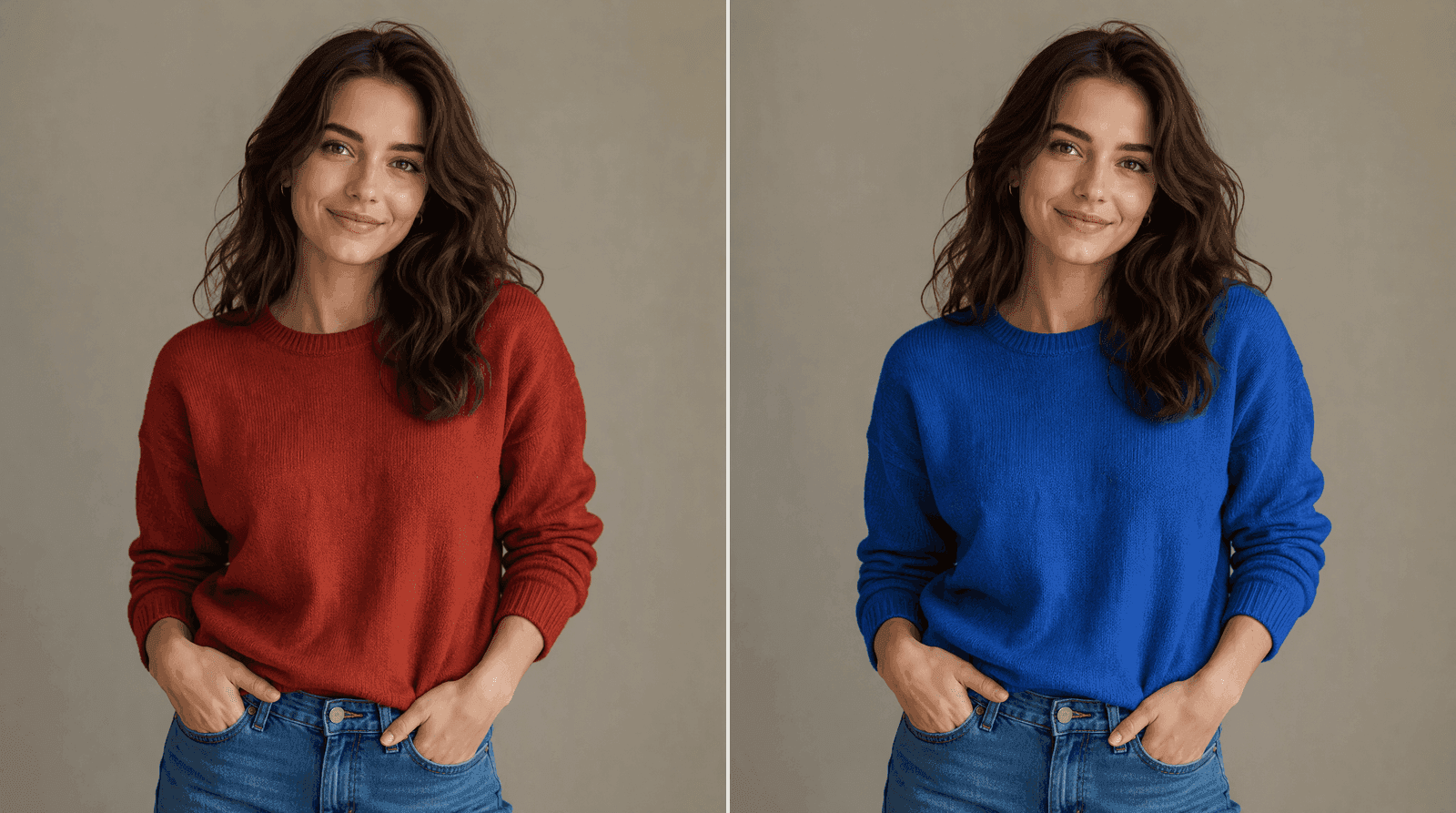
Keep unchanged: Identity, pose, framing, lighting, background, and every item except the named garment.
If the result drifts: Name one garment and one replacement. Repeat the locked identity and scene details before any descriptive language.
23. Repair One Hand or Facial Detail
Best for: Correcting one local anatomy or facial issue without restyling the image.
Prompt:
Repair only the [affected area] in the supplied image: [specific issue to correct]. Match the existing anatomy, skin tone, texture, lighting, focus, and [nearby reference detail]. Keep every unselected region unchanged, including [protected features], pose, clothing, background, crop, and overall style. Make no global retouching or composition changes.
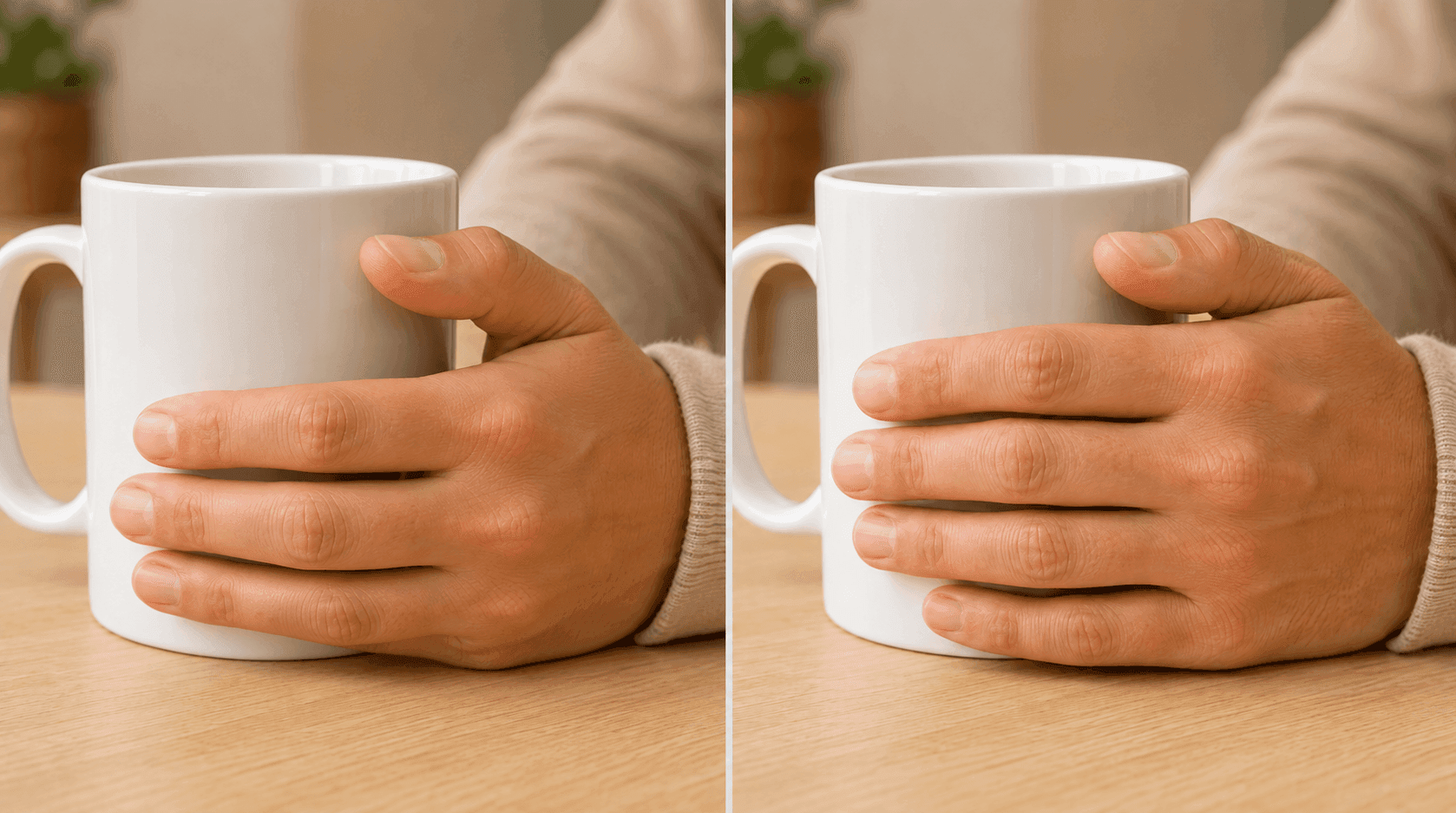
Keep unchanged: Every region outside the named area, including the crop, lighting, clothing, and background.
If the result drifts: Target a smaller area and describe the concrete shape or anatomy error. Remove broad beauty, polish, or style requests.
24. Correct One Text Element
Best for: Replacing one incorrect word, date, price, or label in an existing design.
Prompt:
In the supplied design, replace only the text “[old text]” with the exact text “[new text]” in the same [type treatment] and position. Preserve all other words, imagery, colors, spacing, dimensions, and [brand element] unchanged. Do not reflow the layout or invent additional copy. Render every requested character clearly.
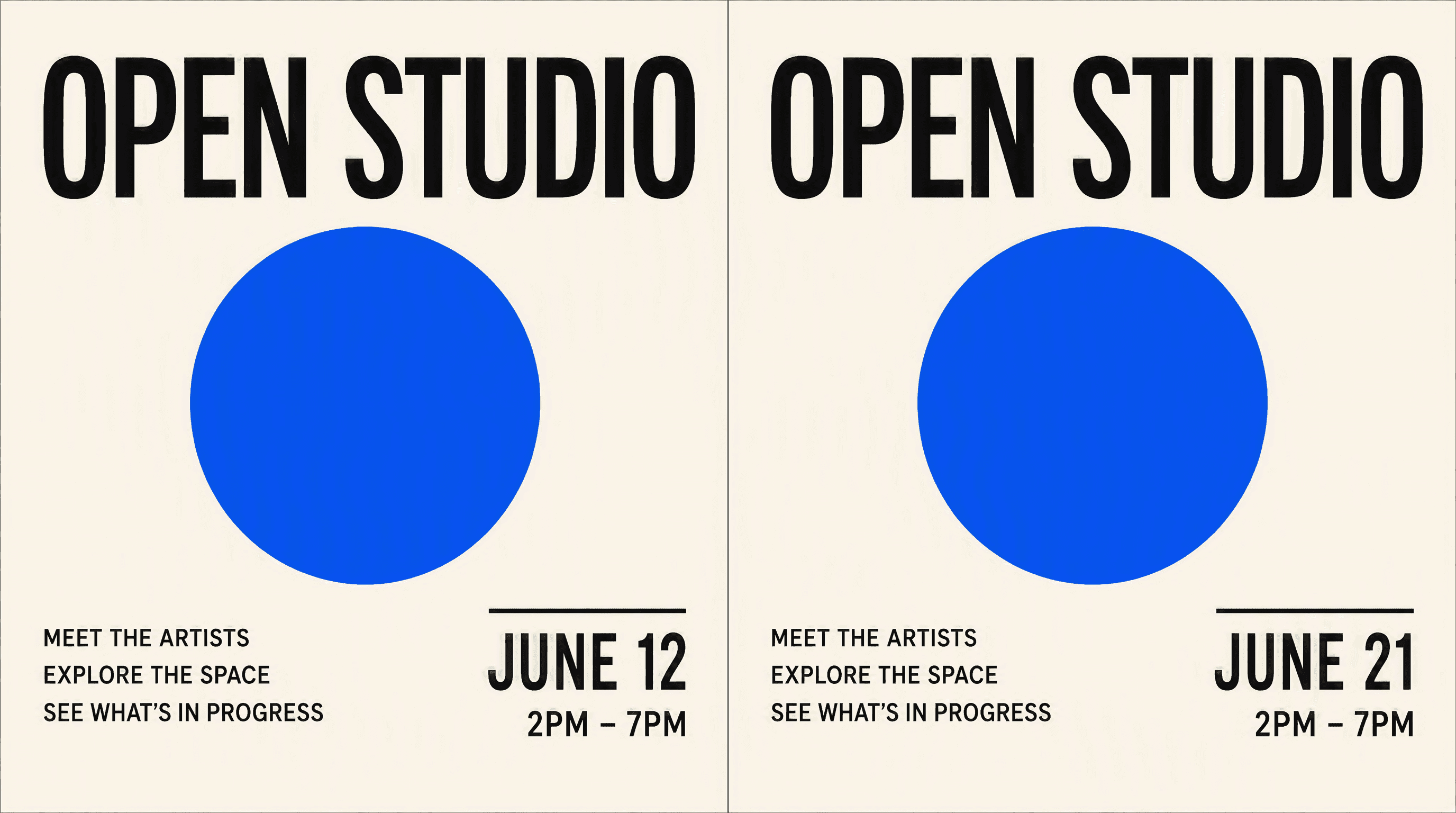
Keep unchanged: The layout, imagery, palette, remaining copy, and all brand elements.
If the result drifts: Repeat only the quoted old-to-new substitution. Remove extra instructions and verify every character manually.
25. Extend an Image to a New Aspect Ratio
Best for: Adapting an approved image to a wider, taller, or differently aligned canvas.
Prompt:
Extend the [left/right/top/bottom] edges of this image to a [target aspect ratio] canvas. Continue the existing [background structure] with matching perspective, horizon, lighting direction, color, and texture. Keep the central [subject] at its current scale and position. Do not crop, stretch, duplicate, or redesign the original content.
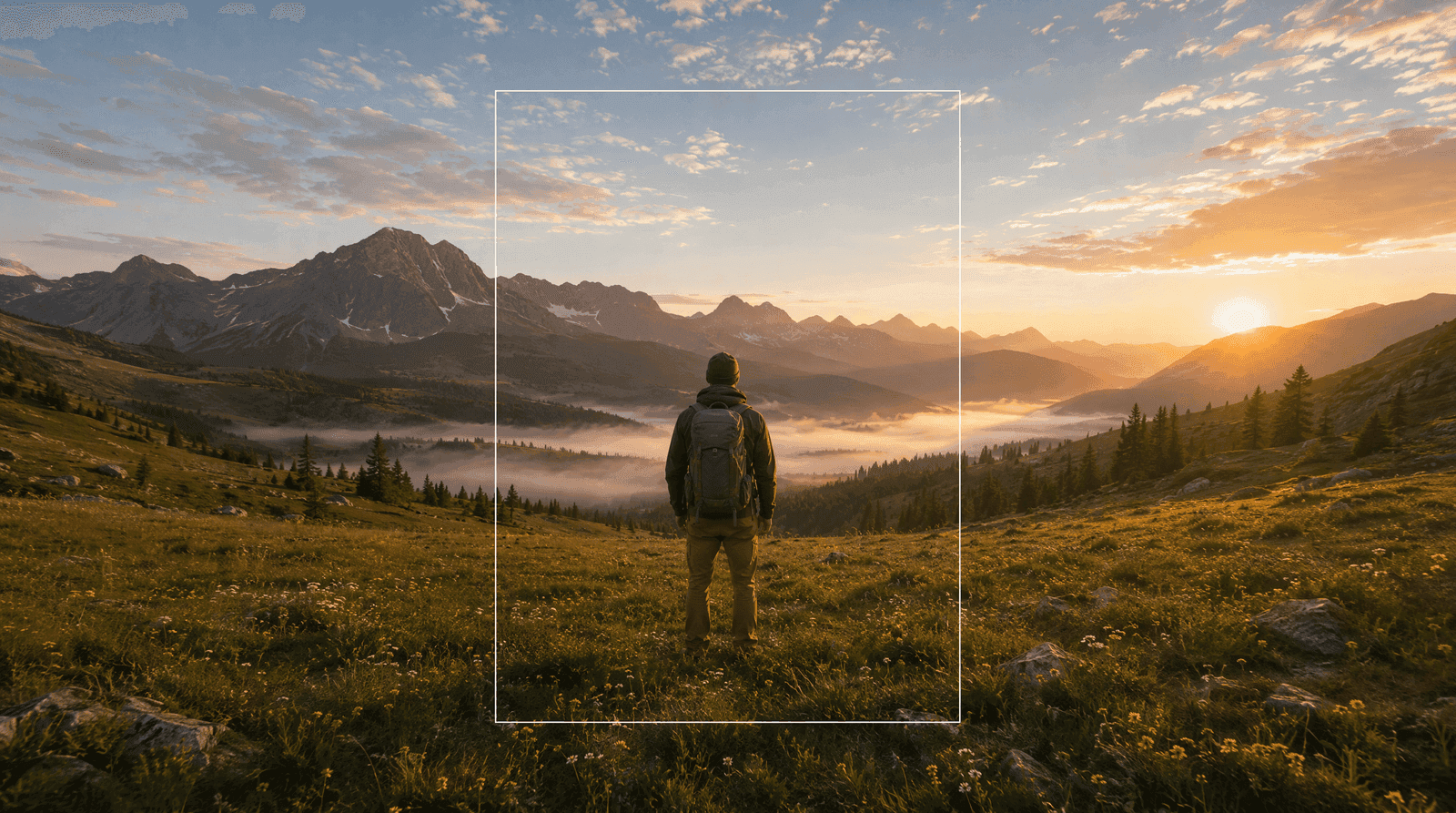
Keep unchanged: The central subject's scale and position, plus the original horizon and lighting.
If the result drifts: Name one edge to extend and describe only what should continue into that area.
Video-Ready Keyframe Prompts
These prompts create still compositions for possible downstream use. They do not specify motion, animation, or video controls.
26. Clear Establishing Still
Best for: Defining a location, time, and focal subject in one readable wide image.
Prompt:
Create a wide establishing still of [location] at [time of day]. Arrange three clear depth layers: [foreground element], [focal subject] in the middle ground, and a simple landmark in the distance. Use coherent lighting and palette, keep the focal subject readable at a glance, and leave uncluttered space around its silhouette.
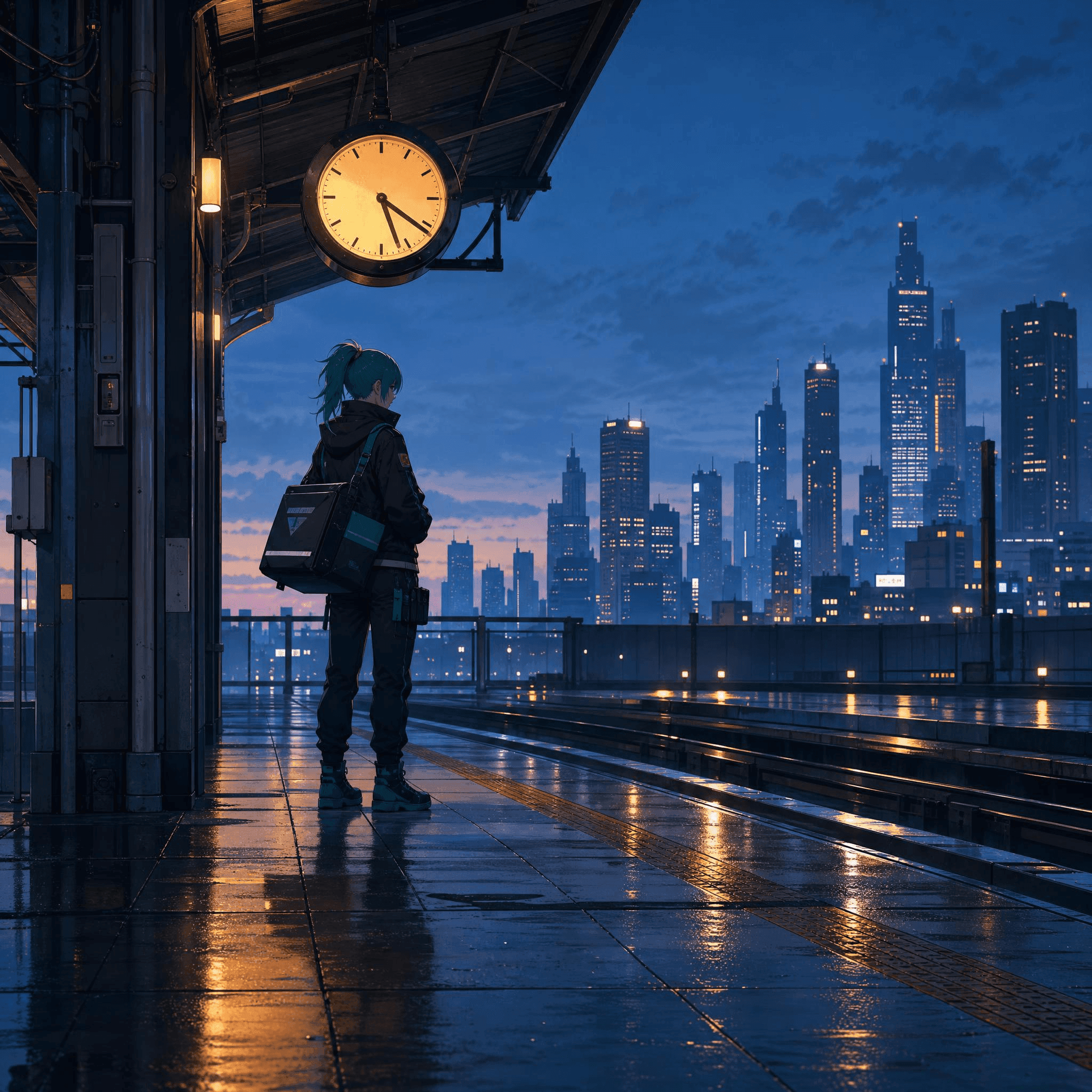
Keep unchanged: The location, time-of-day lighting, and single focal subject.
If the result drifts: Limit the composition to one named element per depth layer and restate the focal subject.
27. Full-Body Character Still With Clear Space
Best for: A clean character reference that keeps the complete body visible and separated from the background.
Prompt:
Create a full-body still of [character] in a balanced [ready pose], viewed from [framing angle]. Show the entire figure, including both hands and feet, with clear separation between limbs. Preserve [identity anchors], keep the background simple, and leave generous open space around the body so the silhouette remains easy to isolate.
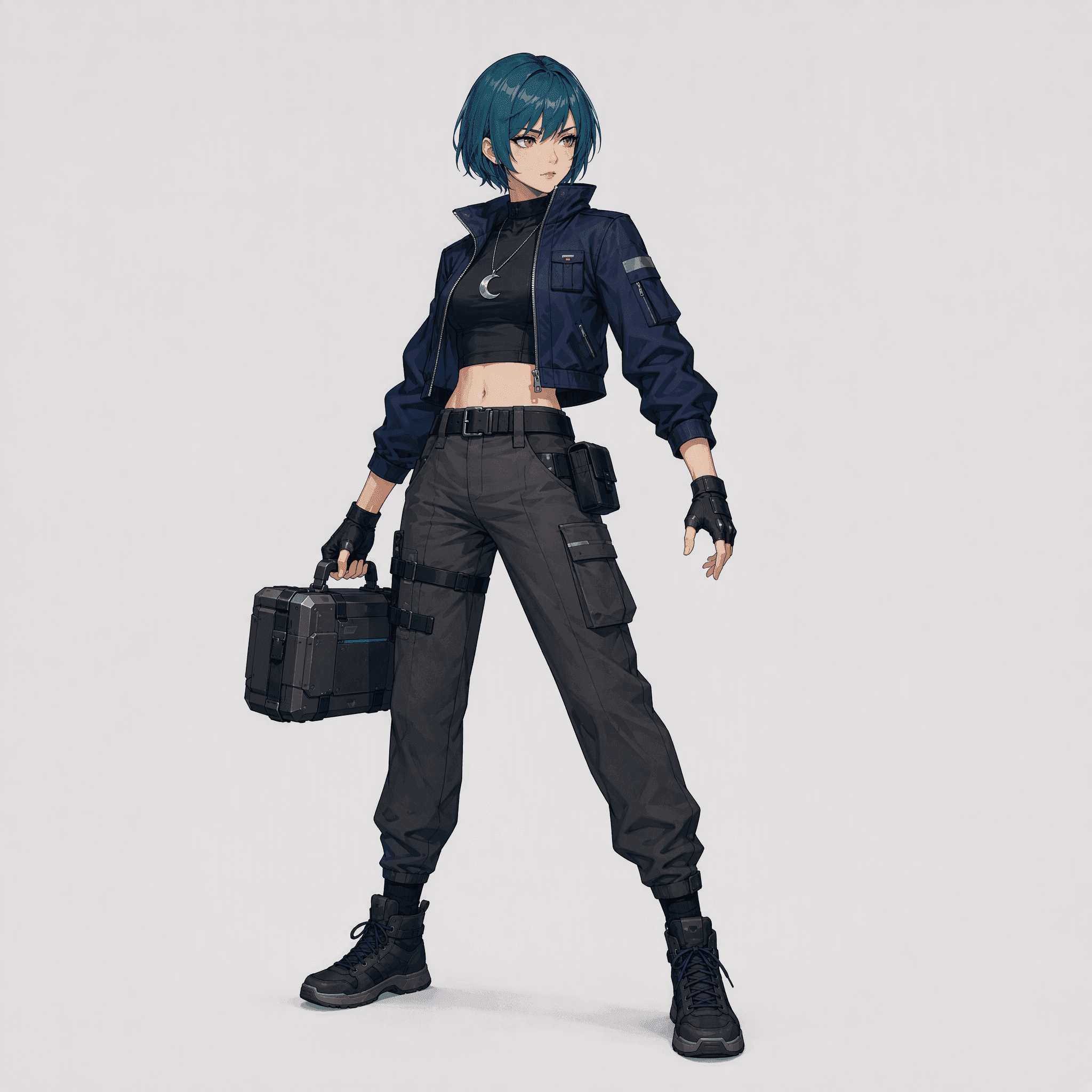
Keep unchanged: The character's identity anchors, complete limbs, and clearance around the silhouette.
If the result drifts: Use a wider full-body framing, simplify the pose, and keep both hands and feet inside the frame.
28. Product-Reveal End Still
Best for: A clean final product composition that can serve as a downstream visual reference.
Prompt:
Create a clean final-state still featuring [product] centered on [surface], shown from [view angle]. Preserve its exact geometry, proportions, label placement, and [signature detail]. Use one focused light direction, restrained supporting props, and clear separation from the background. Keep the product fully visible and make it the only dominant focal point.
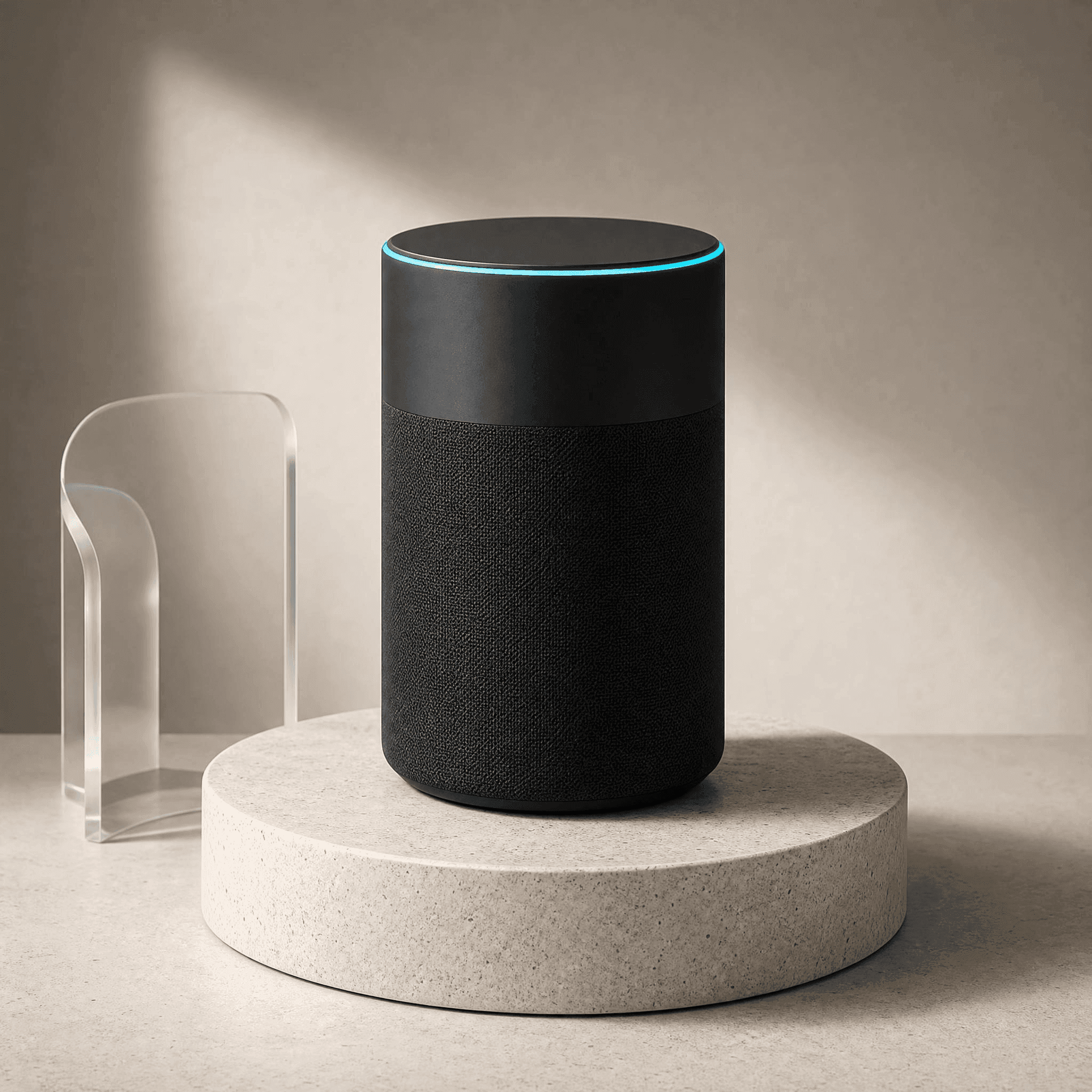
Keep unchanged: Product geometry, label placement, viewing angle, and final position.
If the result drifts: Remove supporting props, repeat the required view angle, and state that the product must not be redesigned.
29. Matched Start-and-End Still Pair
Best for: Two continuity-matched images in which only one planned state changes.
Prompt:
Create two matched still images for [scene]. Frame A and Frame B should differ only by [single state change]. Keep [subject identity], viewpoint, framing, scale, environment, palette, and lighting constant across both images. Preserve every unrelated detail, and use the same clear subject placement and background landmarks in each frame.
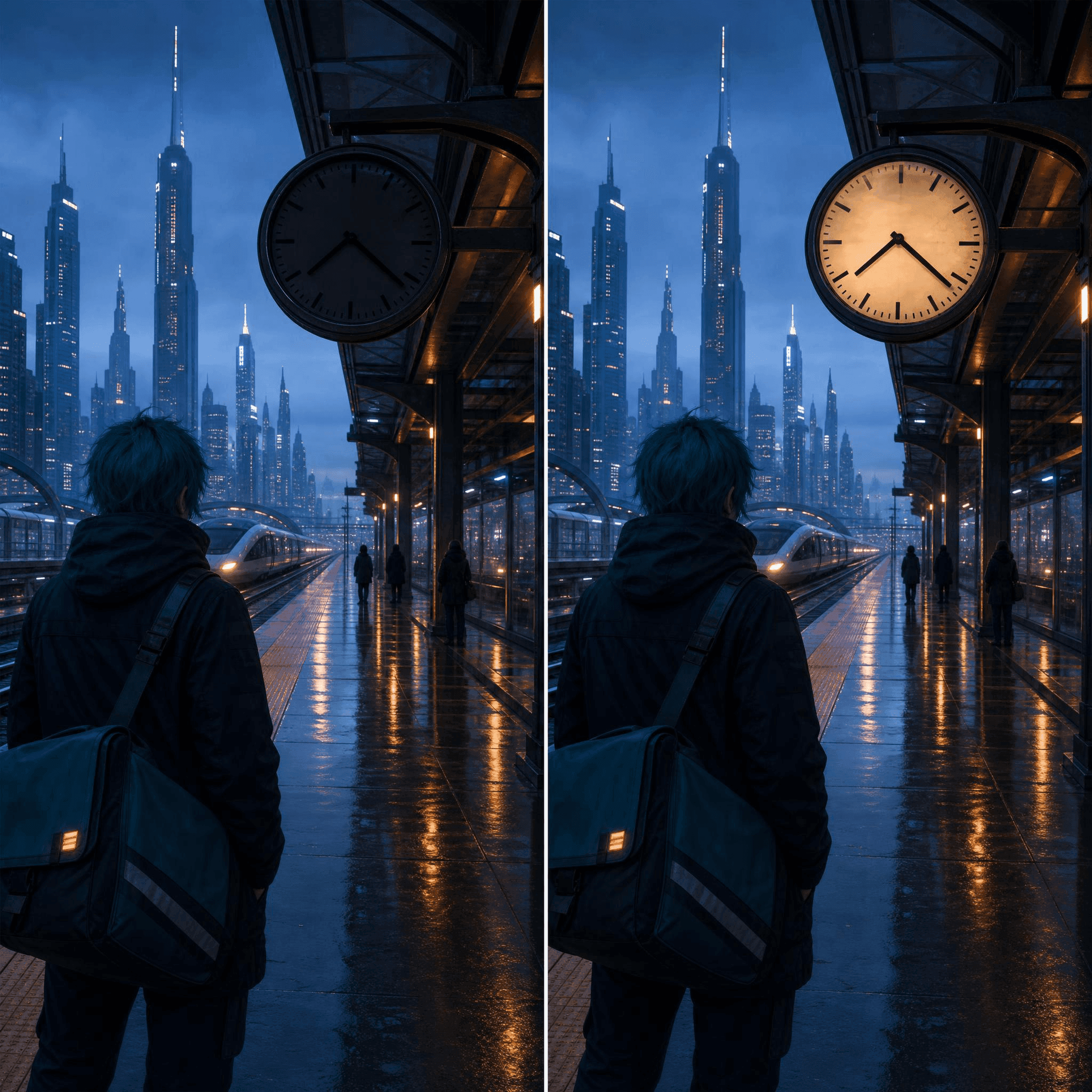
Keep unchanged: Subject identity, viewpoint, framing, scale, environment, palette, and lighting.
If the result drifts: Create Frame A first. Use it as the reference for Frame B and request only the named state change.
30. Vertical Opening Keyframe
Best for: A 9:16 opening image with one immediate focal hook and room for interface overlays.
Prompt:
Create a 9:16 opening still for [story or topic] with one immediate visual hook: [focal element]. Place [subject] within the central safe area, separated from a simple background, and reserve the [top/bottom] zone for interface overlays or optional copy. Use a bold silhouette, one lighting idea, and no competing focal points.
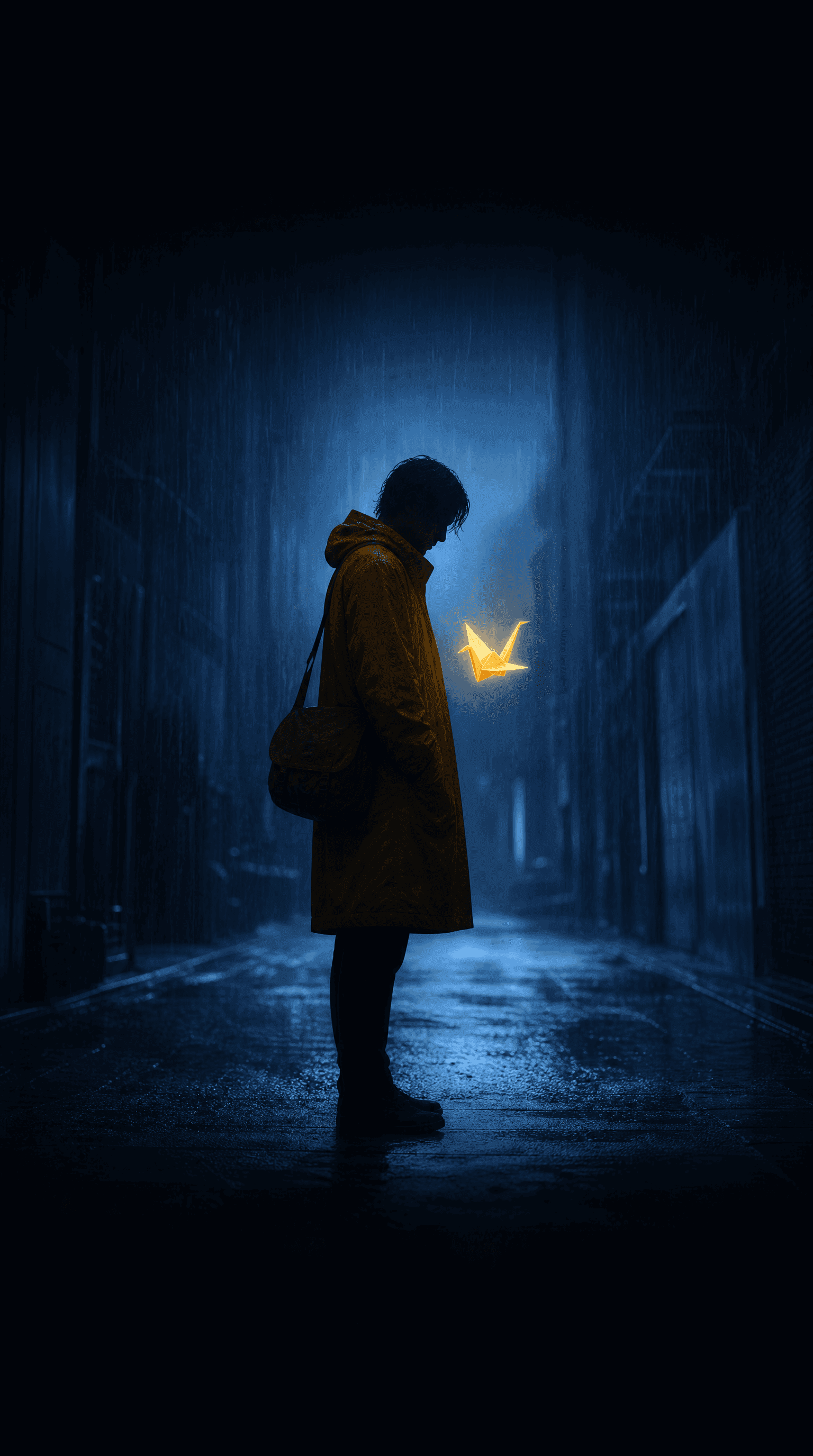
Keep unchanged: The 9:16 format, central safe area, subject silhouette, and reserved overlay zone.
If the result drifts: Enlarge the single focal element. Remove secondary subjects, decorative props, and competing contrast.
Try next: Use the approved still as the first storyboard panel. Then plan the storyboard before animation.
Why Isn't Your AI Image Prompt Working?
Most weak results come from one unclear decision. Diagnose that decision before rewriting the full prompt.
The Style Looks Incoherent
Bad prompt:
Create a cinematic anime watercolor oil-painted 3D cyberpunk portrait with soft daylight, neon noir lighting, pastel colors, and hard shadows.
This prompt stacks incompatible styles, palettes, and lighting.
Better prompt:
Create a clean cel-shaded anime portrait of [character], shown from the shoulders up. Use soft window light, a muted blue palette, and a simple city background. Keep [hair], [eye color], and [accessory] unchanged.
The Subject Is Framed Incorrectly
Bad prompt:
Show my skincare bottle in a beautiful luxury scene with plants, water, stones, flowers, and room for advertising.
The prompt buries composition and gives the model too many props.
Better prompt:
Place [product] on the right side of an eye-level studio shot. Reserve the left third as clean copy space. Use one stone surface and soft side lighting. Keep the package shape, cap, proportions, and label position unchanged.
The Character Changes During an Edit
Bad prompt:
Put this mascot in winter clothes at a festive market and make it cute.
The prompt never says which character details must survive the edit.
Better prompt:
Change only the mascot's outfit to [winter outfit]. Keep its face, body proportions, pose, palette, and [signature accessory] unchanged. Add one quiet market background with warm lights. Do not restyle the character.
The Headline Is Unreadable
Bad prompt:
Create a dramatic YouTube thumbnail that says How I Made Amazing AI Images Without Any Design Skills in Only Ten Minutes.
The headline is too long, and the prompt gives no placement hierarchy.
Better prompt:
Create a 16:9 YouTube thumbnail with the exact headline “BETTER AI IMAGES.” Put the headline on the left and [subject] on the right. Use bold white lettering against a dark background. Verify every letter before publishing.
Do These Prompts Work in Every AI Image Generator?
The core formula transfers, but model syntax and controls differ. Keep the subject, composition, lighting, style, and constraints when you switch tools.
Remove any parameter the new generator does not support. Keep the ratio and reference pack stable during a comparison. Then judge the result against the same visible criteria.
Do not copy model-specific parameters into a workflow that does not expose them.
Frequently Asked Questions About AI Image Prompts
What Should an AI Image Prompt Include?
A strong AI image prompt names the subject, action or pose, setting, composition, lighting, visual style, and non-negotiable constraints. Put identity, product shape, or exact text before decorative details. Add the intended format or aspect ratio. Review the result, then change one unclear variable at a time.
How Long Should an AI Image Prompt Be?
Use enough detail to remove ambiguity, but stop when every phrase serves the same visual goal. Many useful prompts fit within two to four short sentences. Longer prompts do not automatically produce stronger images. Start with the essentials, generate once, and add one missing constraint after reviewing the output.
Do the Same Prompts Work in Every AI Image Generator?
These examples use GPT Image 2 as a baseline, but the prompt formula transfers across generators. Models interpret language, references, ratios, and layout differently. When you retry with Nano Banana 2, Nano Banana Pro, or DomoAI Text to Image, keep the subject and constraints stable. Remove unsupported controls.
How Can I Keep a Character or Product Consistent?
Consistency improves when you state a few fixed traits and repeat them in every related prompt. For characters, lock the face, hair, proportions, palette, and signature accessory. For products, lock shape, materials, label position, and color. Use clean references when available, then inspect each output for drift.
How Can I Get More Readable Text in an AI-Generated Image?
Keep requested text short, quote it exactly, and give it one clear location in the composition. Use strong contrast and leave enough margin around the words. Generate the visual separately when the copy is complex. Always verify every letter before publishing, because readable text is not guaranteed.
Create, Review, Then Change One Thing
You now have a repeatable loop: choose one outcome, replace the variables, generate, and inspect the invariant. If the result misses, change one part.
For this article's setup, open the Multi-Model Image Generator & Editor. Select GPT Image 2 and run the prompt that matches your job. To explore Anime or Fusion looks instead, open DomoAI Text to Image and rerun the completed prompt.
---